Bargaining in Turkey: Where It Fits and Where It Doesn’t
On this page
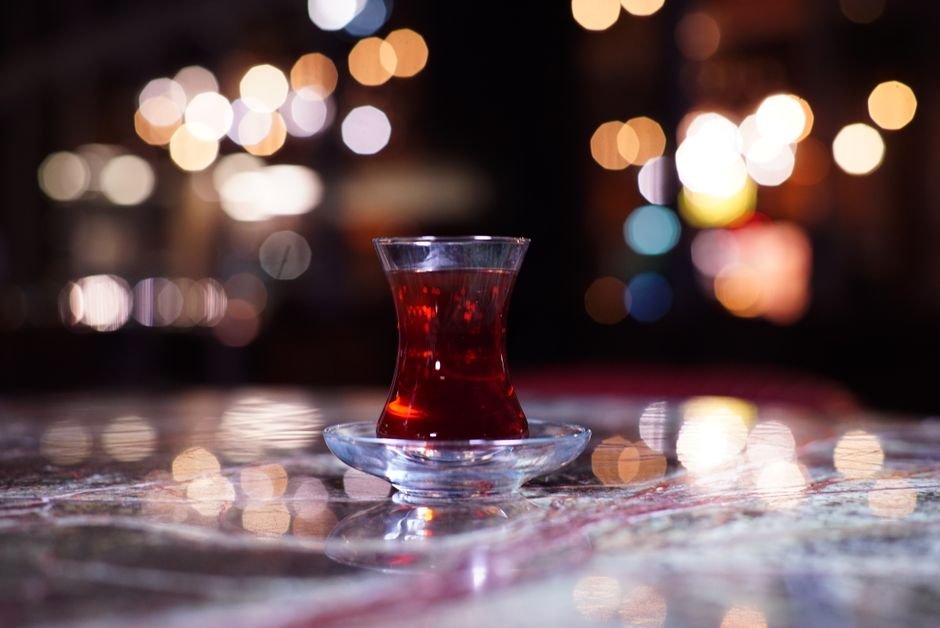
Picture this: you are standing in the middle of a bustling bazaar, surrounded by glowing copper lanterns, mountains of aromatic spices, and a carpet seller who has just materialized beside you with a warm smile and a tiny glass of tea. Your heart rate ticks up a little. You want that hand-woven runner, but you have heard stories about tourists getting wildly overcharged, and suddenly you feel like an extra in a theatrical production you never auditioned for. Bargaining in Turkey is an art form, a social dance, and sometimes a simple misunderstanding all rolled into one. But contrary to popular belief, it is not a free-for-all that applies everywhere you set foot.
Before you dive headfirst into haggling over every single item you encounter, it helps to understand the rhythm of local commerce. Turkey is a country where modern supermarkets sit side by side with centuries-old market stalls, and knowing when to negotiate—and when to simply accept the price on the tag—will save you both money and embarrassment.
Understanding the Rules of Bargaining in Turkey
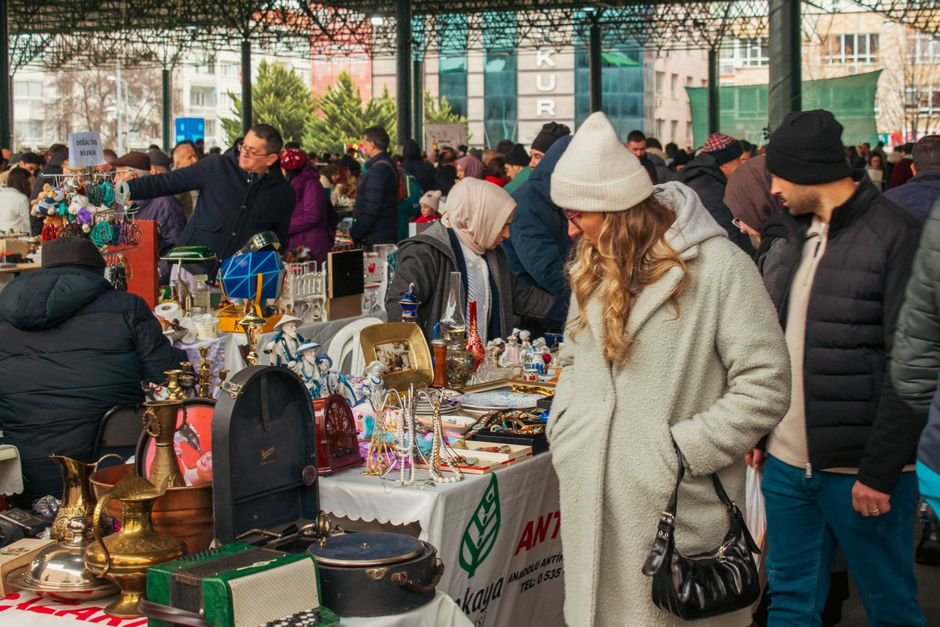
Bargaining in Turkey is rarely a cutthroat battle of wills; rather, it is a conversational exchange built on mutual respect, patience, and a bit of theatrical flair. When you step into historic open-air markets, antique shops, or independent artisan boutiques, a gentle back-and-forth over price is often expected and even welcomed by the merchant. The key is to keep things lighthearted, smile, and remember that no one is forcing a transaction. If the price feels too high, you are entirely free to walk away, which is often the best negotiating tactic of all.
However, applying this mindset everywhere is a rookie mistake. If you walk up to a cashier in a supermarket, a clothing chain in a modern shopping mall, a pharmacy, or a neighborhood bakery and try to negotiate the price of a loaf of bread or a carton of milk, you will likely be met with a blank stare or a polite chuckle. Fixed prices are standard in all retail stores, restaurants, cafes, and public transportation. If there is a barcode or a printed price tag on the shelf, the price is non-negotiable. Trying to haggle over a cup of coffee or a metro ticket is a quick way to look out of touch.
Where Haggling Actually Works
So, where should you actually stretch your negotiation muscles? Traditional bazaars like the Grand Bazaar and the Spice Bazaar in Istanbul are the classic testing grounds, though keep in mind that these tourist hubs often feature inflated starting prices. Neighborhood weekly street markets, known locally as pazar, are fantastic for seasonal fruits, vegetables, and inexpensive textiles, though prices here are usually quite low to begin with, so aggressive haggling is unnecessary and rare among locals.
Independent carpet shops, antique dealers, leather goods boutiques, and handicraft stalls are where true bargaining takes place. In these settings, the merchant will often ask what you think a fair price is, or they will quote a starting figure that leaves room for movement. A good rule of thumb is to aim for a friendly compromise rather than trying to slash the price in half. If you approach the interaction as an opportunity to chat—perhaps while sorting out your Turkey currency exchange logistics beforehand so you have actual cash ready—the process becomes much more enjoyable for everyone involved.
Common Mistakes to Avoid
One of the easiest traps to fall into is taking the process too seriously. Some travelers treat bargaining like a competitive sport where they must “win” by paying as little as possible. If a merchant drops their price to accommodate you, and you push them down to a point where they are making virtually no profit, the interaction turns sour. A fair deal leaves both sides feeling content.
Another misstep is starting negotiations on an item you have no intention of buying. If you ask a seller to unroll six different carpets, pack them up, and then aggressively haggle only to walk away immediately, you are wasting their time and energy. It is also wise to check your own assumptions; do not automatically assume every shopkeeper is trying to swindle you just because you are a foreigner. Locals pay varying prices depending on quality, craftsmanship, and location, too.
Finding Your Balance
Ultimately, navigating prices in Turkey comes down to observing your surroundings. Take a moment to watch how local shoppers behave in the same space. Are they quietly paying at the register, or are they joking with the vendor over the price of olive oil? Let that guide your next move.
Whether you end up walking away with a unique souvenir bought after a friendly chat over tea, or simply paying the exact amount printed on a cafe menu, approaching these moments with curiosity rather than anxiety changes everything. After all, the best part of traveling is learning the unwritten rules of how people connect over the simplest daily transactions.