Mosque Etiquette in Turkey for Visitors
On this page
Stepping inside a historical or active mosque in Turkey for the very first time can feel a little intimidating if you did not grow up around Islamic architecture or communal prayer traditions. You might find yourself wondering where to leave your shoes, whether your shoulders are covered enough, or if the click of your camera shutter will echo too loudly in the vast dome above. Yet, understanding proper mosque etiquette Turkey customs is surprisingly straightforward once you grasp the basic rhythm of daily life and respect inside these sacred spaces. Most locals are wonderfully welcoming to curious visitors, provided you approach their places of worship with a gentle, observant mindset rather than treating them purely as open-air museums.
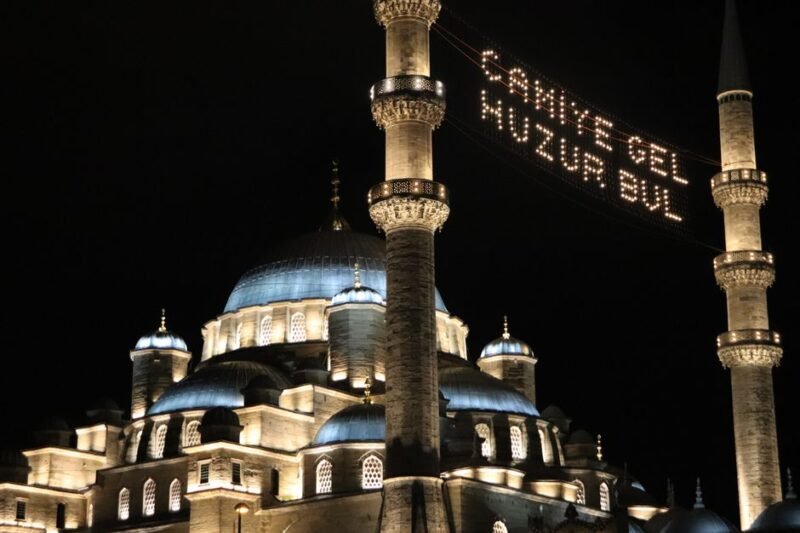
When you stand before a magnificent Ottoman structure or a modest neighborhood courtyard, the initial impression is often one of profound calm. Mosques are fundamentally living, breathing centers of community and spiritual reflection, not just static historical monuments. If you are planning your daily excursions—perhaps mapping out a 3 days in Istanbul adventure—you will quickly notice that minarets punctuate the skyline at every turn. Learning how to move through these spaces gracefully ensures your presence feels harmonious and welcome, allowing you to appreciate the intricate tilework, calligraphy, and carpeted floors without awkward missteps.
Understanding Mosque Etiquette Turkey Rules and Daily Rhythms
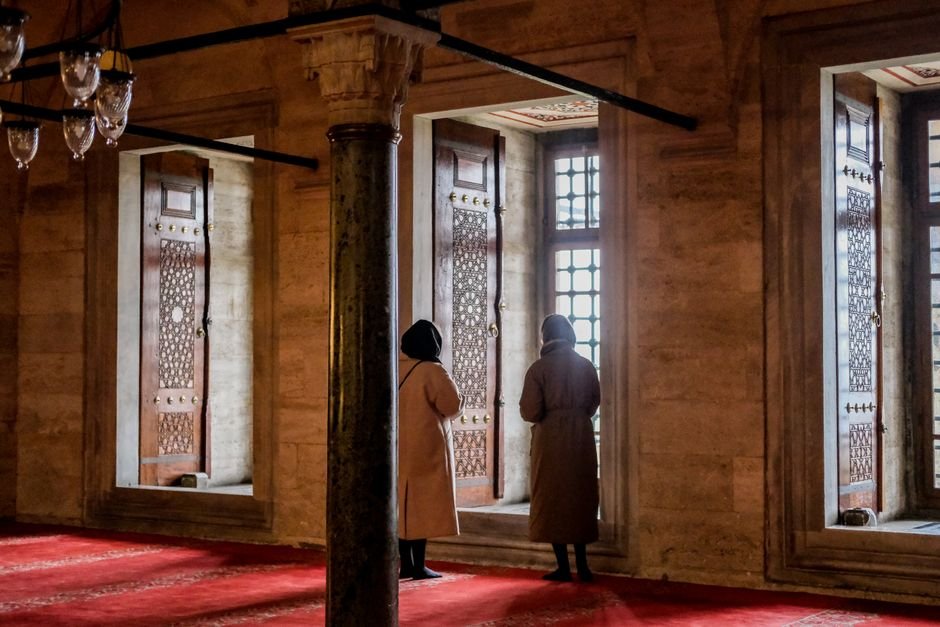
Mastering mosque etiquette Turkey basics requires knowing that these are active places of worship operating on a five-times-daily prayer schedule. While massive tourist destinations like the Blue Mosque or Süleymaniye accommodate thousands of visitors daily, they still close their doors to general tourism briefly during the call to prayer, known as the ezan. Visiting outside of these peak congregational windows—usually mid-morning or mid-afternoon—ensures you can walk around without disrupting those who have come to pray. A quiet demeanor, modest attire, and a respectful awareness of your surroundings will instantly signal that you appreciate the sanctity of the building.
Let us walk through the practical details so you can step inside with absolute confidence. The physical rules of entry are designed to maintain ritual cleanliness and modesty, reflecting centuries of religious and social tradition.
Clothing and Modesty Standards
Dressing appropriately is the most visible sign of respect when visiting a Turkish mosque. Both men and women should ensure their shoulders and knees are covered. For men, this generally means wearing long trousers and shirts that cover the shoulders—tank tops or gym shorts are a definite no-go. For women, skirts or trousers that fall below the knee, combined with a sleeved top, are standard.
Women are also required to cover their heads with a scarf before entering the prayer hall. If you forget to pack one, do not panic. Most major historical mosques provide lightweight headscarves and wrap-around skirts at the entrance for visitors to borrow free of charge, though carrying your own scarf adds a nice touch of personal preparation.
The Shoe Protocol
One of the golden rules of entering any mosque is removing your shoes before stepping onto the plush, wall-to-wall carpets of the main prayer hall. You will usually find designated shoe racks near the entrance, or you can carry your footwear inside using small plastic bags often provided at the door. Walking on the carpets with outdoor shoes is considered deeply disrespectful because worshippers bow and press their foreheads directly against these surfaces during prayer.
Photography and Noise Levels
While taking photographs of the breathtaking domes, stained glass, and geometric tile patterns is generally permitted in tourist-heavy mosques, you must exercise discretion. Never photograph people who are actively praying or performing ritual ablutions (wudu). Turn your phone to silent, avoid using flash, and keep your voice down to a soft whisper. Remember that even if a mosque is famous, it remains a sanctuary of peace.
Navigating Tourist Icons Versus Neighborhood Mosques
There is a distinct social difference between stepping into a global landmark and wandering into a quiet neighborhood masjid down a cobbled backstreet. In major tourist hubs, staff are accustomed to foreign visitors and often provide informational pamphlets, helpful signage, and clear barriers indicating where tourists may stand. People expect visitors, and the atmosphere accommodates a certain degree of tourist curiosity.
In contrast, a neighborhood mosque operates on a much more intimate scale. If you visit one of these local sanctuaries, the atmosphere is intensely personal. Regulars know each other, children might be attending Qur’an classes in the courtyard, and the local imam is an active community figure. While visitors are still welcome outside of prayer times, your presence will be much more noticeable. Dressing exceptionally conservatively, avoiding photography entirely, and keeping your visit brief is the kindest approach here.
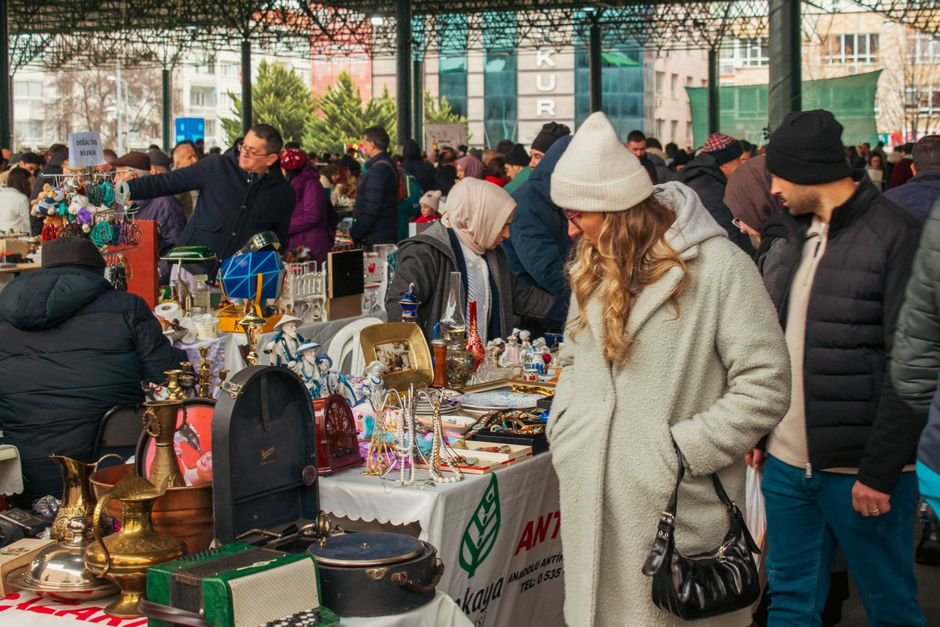
If you find yourself navigating local customs elsewhere—such as understanding when bargaining in Turkey is appropriate versus where fixed prices apply—you realize that context is everything. Markets demand a lively, conversational back-and-forth, but sacred spaces call for silence, observation, and grace.
Ultimately, experiencing Turkish mosques goes far beyond checking off a sightseeing list. It offers a quiet window into the aesthetic and spiritual heartbeat of the country. By keeping your shoulders covered, shedding your shoes at the threshold, and matching the peaceful silence of the halls, you honor both the space and the people who cherish it every single day.