3 Days in Istanbul: A Realistic First-Time Itinerary
On this page
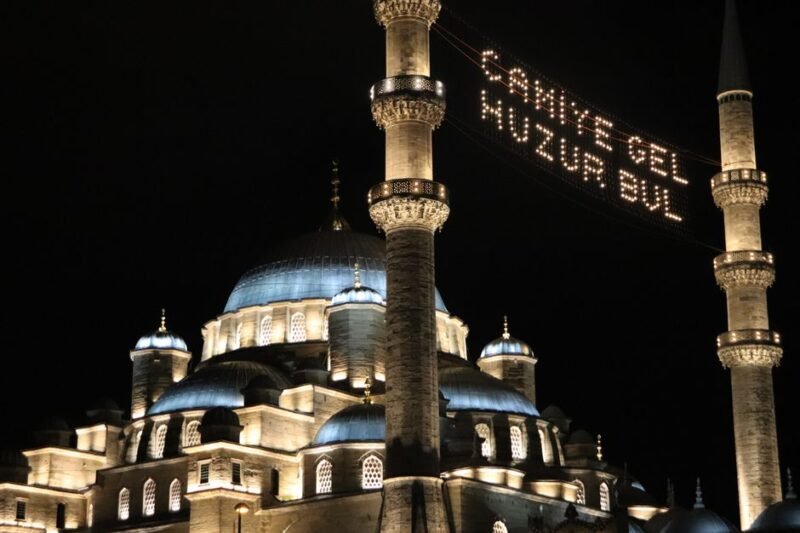
The call to prayer from minarets slicing through an early morning fog, the sharp scent of roasted chestnuts drifting across a ferry deck, and the deep, rumbling groan of an old tram turning a corner in Beyoğlu all announce that you have finally arrived in a city suspended between continents. Crafting a 3 days in Istanbul itinerary is less about ticking off every single monument on an exhaustive map and more about surrendering to the heavy, layered rhythm of a metropolis that has served as an imperial capital for over sixteen centuries. When you only have seventy-two hours, the secret lies entirely in geography. Istanbul is vast, hilly, and stubbornly divided by water; trying to bounce haphazardly between the historic peninsula and the northern business districts in a single afternoon is a fast track to exhaustion. A sensible, grounded route respects the bridges, the tram lines, and the deep, blue currents of the Bosphorus.
Before you even step foot on the cobblestones, remember that a city this old operates on its own terms. Opening days, restoration schedules, and prayer times dictate access to major sights, meaning you should always check official sources for up-to-date hours before heading out. But beyond the logistics, Istanbul invites you to slow down just enough to notice the details: the stray cats dozing on antique carpets outside neighborhood shops, the rhythmic clink of porcelain tea glasses, and the way the afternoon sun turns the Golden Horn into molten bronze. This three-day blueprint is designed to keep you moving logically through distinct historic districts, balancing monumental architecture with neighborhood wanderings, leisurely meals, and mandatory pauses by the water.
Day 1: The Imperial Majesty of Sultanahmet and the Golden Horn
Day one of your 3 days in Istanbul itinerary begins on the ancient hills of Sultanahmet, where Byzantine and Ottoman empires laid their most ambitious stones. This is the monumental heart of the old city, a dense concentration of towering domes, sprawling courtyards, and ancient ruins that demand an early start to beat the crowds. Begin your morning right as the gates open at the Hagia Sophia, standing beneath its colossal dome to witness centuries of religious history echoing through the cavernous marble interior. Just across a carefully manicured park of fountains and weeping willows rises the Sultan Ahmed Mosque, universally known as the Blue Mosque, where delicate Iznik tiles in shades of turquoise and cobalt catch the light filtering through high stained-glass windows.
After absorbing the scale of these architectural giants, descend slightly underground into the cavernous depths of the Basilica Cistern. Walking along raised wooden platforms above shallow, dimly lit waters held up by rows of mismatched Roman columns—including the mysterious upside-down Medusa blocks—provides a cool, atmospheric contrast to the sunlit plazas above. By now, the midday appetite will be calling. Skip the tourist-trap restaurants directly adjacent to the square and wander down the sloping streets toward Sirkeci or the edge of the Galata Bridge for a quick lunch of freshly grilled fish sandwiches, known locally as balık ekmek, served straight from bobbing wooden boats along the harbor.
Spend your afternoon wandering through the sprawling courtyards and opulent chambers of the Topkapi Palace, the grand administrative headquarters of the Ottoman sultans for nearly four hundred years. Walk through the Imperial Gate into the lush outer gardens, marvel at the intricate tilework of the Harem, and gaze out from the palace terraces over the confluence of the Bosphorus, the Sea of Marmara, and the Golden Horn. As dusk begins to settle, make your way down to the waterfront to watch the silhouette of minarets sharpen against a bruised-purple evening sky. Before calling it a night, make sure you understand local spending habits by reading up on bargaining in Turkey, especially if you plan to pick up souvenirs later in your journey.
Day 2: Cross the Bridge to Karaköy, Galata, and Istiklal Avenue
Your second day shifts the perspective across the water, trading the solemn imperial monuments of the old peninsula for the vertical, bustling energy of Beyoğlu. Start your morning by crossing the Galata Bridge on foot, watching scores of patient locals line the railings with fishing rods while ferries churn white foam into the deep blue channel below. On the northern bank, the gritty, rapidly gentrifying docklands of Karaköy welcome you with some of the best specialty coffee in the city. Duck into a quiet side street for a traditional morning feast, sampling a proper Turkish breakfast guide favorite like warm menemen, flaky pastries, and brined cheeses before tackling the steep climb up toward the medieval stone spire of the Galata Tower.
The Galata Tower pierces the skyline with a blunt, conical hat, offering a sweeping 360-degree panorama of Istanbul’s tiled rooftops, winding alleys, and sprawling bridges. From here, wind your way uphill into the sloping, bohemian neighborhoods of Çukurcuma and Cihangir, where antique shops spill velvet chairs, brass lamps, and vintage oil paintings out onto narrow pavements. This is a brilliant zone for slow exploration, far removed from the massive tour groups of Sultanahmet. Pause frequently to rest your legs at a neighborhood tea house, observing how daily life unfolds over small tulip-shaped glasses.
By late afternoon, intersect with Istiklal Avenue, a grand pedestrian boulevard flanked by late-19th-century European facades, bustling bookstores, and historic passages. Watch the iconic red nostalgic tram rattle slowly down the middle of the street, carrying commuters and curious travelers alike. Duck into the cavernous, stained-glass St. Anthony of Padua church for a moment of absolute silence away from the pedestrian roar, then follow the avenue all the way to Taksim Square. As evening falls, descend into the labyrinthine backstreets surrounding Asmalımescit or Nevizade for dinner. Seek out a lively meyhane—a traditional tavern—where you can sample an array of cold mezze dishes, grilled meats, and anise-flavored rakı while sharing long, boisterous conversations under the dim lanterns of a courtyard.
Day 3: The Bosphorus Shoreline and the Asian Side
Your final day is dedicated to the water that defines Istanbul’s soul: the Bosphorus Strait. Begin your morning early by boarding a public ferry from the Eminönü docks bound for Kadıköy on the Asian side of the city. This twenty-minute maritime crossing is one of the greatest daily commutes in the world. As the European shore recedes, gulls dip and wheel through the salty air, and the great suspension bridges loom overhead, you realize why this strait has enchanted poets and conquerors for millennia. Step off the ferry into the chaotic, vibrant neighborhood of Kadıköy, a youthful, fiercely independent district that feels worlds away from the historic tourist core.
Immerse yourself immediately in the Kadıköy Market, a sensory explosion of colorful produce stalls, hanging cheeses, dried herbs, and fragrant spice shops. Locals bustle past with woven baskets, and tiny corner shops serve legendary portions of stuffed mussels or warm lentil soup. Grab a quick bite on the go, then wander down the leafy, residential avenues of Moda, where vintage boutiques, vinyl shops, and sunlit cafes line the quiet seaside promenade. Sit on the rocky seawall near Moda Park with a takeout coffee, watching families stroll past and cargo ships glide effortlessly down the strait toward the Black Sea.
In the afternoon, catch another ferry heading back across the water to the European side, specifically aiming for the upscale, leafy neighborhood of Beşiktaş or the quiet elegance of Ortaköy, famous for its picturesque waterfront mosque standing directly beneath the soaring pylon of the Bosphorus Bridge. If energy permits, take a final evening stroll through the manicured gardens of Yıldız Park or treat yourself to a leisurely dinner along the water’s edge, watching the city’s grand waterfront mansions—known as yalı—glow softly under the amber streetlights. For practical peace of mind during your final hours in town, keep a note of turkey emergency numbers saved on your phone just in case you ever need assistance.
Practical Tips for Managing Your Three Days
Navigating Istanbul efficiently requires mastering the city’s integrated public transit network. Purchase an Istanbulkart—the contactless smart card valid on trams, metros, funiculars, buses, and public ferries—at any major station kiosk right upon arrival. It allows multiple travelers to share a single card with minor restrictions, though having individual cards often simplifies boarding gates. Traffic congestion on the main roads can be notoriously brutal during morning and evening rush hours, so prioritize rail lines and water transport whenever possible. Taxis can be convenient for late-night journeys, but always ensure the meter is running or use reputable digital hailing applications to avoid misunderstandings.
Footwear is perhaps your single most important travel accessory in this city. Istanbul is built entirely across seven steep hills, and its historic quarters are paved with ancient cobblestones, uneven flagstones, and polished marble steps that turn remarkably slick after a sudden rain shower. Pack supportive walking shoes with decent traction rather than fashionable flats or brand-new boots. Dress modestly when entering active religious sites like mosques; women should carry a light scarf to cover their hair, and both men and women should wear clothing that covers shoulders and knees. Finally, while credit cards are widely accepted across hotels, restaurants, and larger shops, always keep a modest amount of Turkish Lira cash on hand for small neighborhood bakeries, historical site entry lockers, public restrooms, and street food vendors.