Executing a successful transition to Turkey requires navigating a structured sequence of administrative, financial, and logistical steps rather than relying on informal advice. A comprehensive moving to Turkey checklist helps international applicants systematically manage pre-departure preparations, immediate arrival tasks, and long-term establishment requirements without overlooking critical details. As a digital publishing platform, Before Turkey provides structured informational guidance to help readers map out their transition process; however, because we are not a relocation agency, law firm, or visa consultancy, readers must always verify current regulations through official government portals and qualified professionals.
Phase 1: Pre-Departure Preparations and Documentation
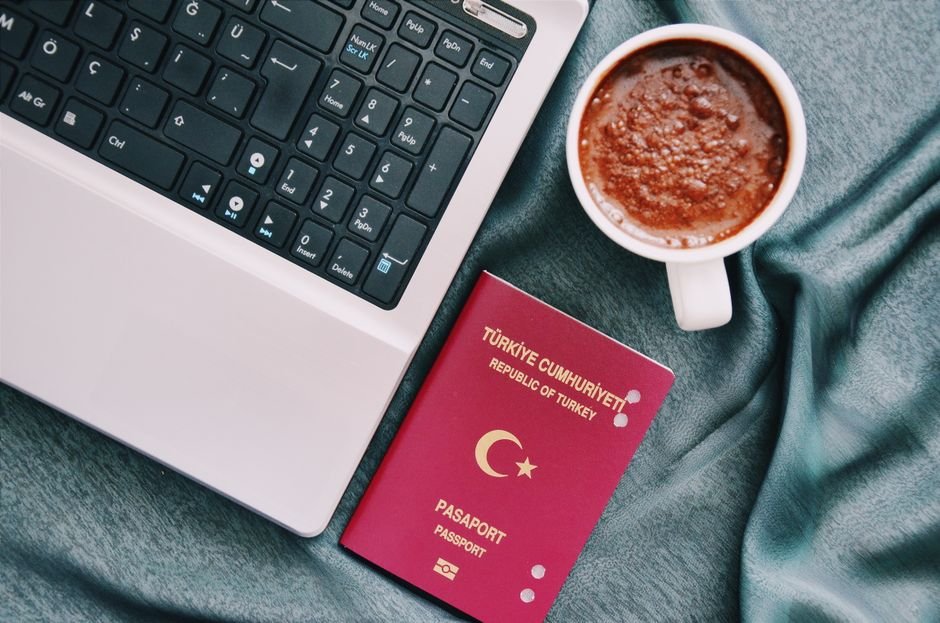
The pre-departure phase forms the foundation of any international relocation, focusing heavily on document gathering, financial provisioning, and baseline research. Administrative accuracy during this initial window dictates how smoothly subsequent bureaucratic steps unfold upon arrival. Applicants must compile necessary civil documents, ensure passport validity extends well beyond local regulatory minimums, and organize their preliminary financial structures.
- Verify passport validity: Ensure your passport remains valid for at least 60 days beyond the duration of your intended stay or visa-free entry period, keeping in mind that residence permit applications often require significantly longer validity.
- Apostille and translate civil documents: Birth certificates, marriage certificates, and criminal background checks often need apostilles from your home country and subsequent notarized Turkish translations.
- Secure initial health coverage: Purchase international health insurance or verify cross-border policy requirements that satisfy baseline administrative thresholds before you transition to local policies. For broader context on regional medical policies, review Turkey travel insurance options.
- Digitize records: Scan all critical documents, including medical histories, academic degrees, and financial statements, saving them securely in encrypted cloud storage.
- Research administrative frameworks: Study the distinct legal frameworks governing short-term stays, employment, and property acquisition before committing financial resources. For those considering real estate investments, consulting a structured buy property Istanbul foreigner guide can illuminate preliminary market realities.
Phase 2: The First Week After Arrival
The first seven days in Turkey involve high-priority operational tasks designed to establish your physical presence and communication channels within the local economy. Securing a local phone number, obtaining a tax identification number, and navigating temporary accommodation safely require immediate focus. Avoid making permanent commitments during this initial week; instead, prioritize foundational infrastructure.
Acquiring a Turkish tax number (Vergi Numarası) from a local tax office is a mandatory prerequisite for opening bank accounts, purchasing utilities, and filing for legal residency. You will need your physical passport and a copy of your entry stamp. Concurrently, secure a local SIM card through major telecommunications providers such as Turkcell, Vodafone, or Türk Telekom. Note that foreign mobile devices brought into Turkey must be registered and face heavy tax implications if used with local SIM cards beyond the regulatory grace period mandated by the Information and Communication Technologies Authority (BTK).
Temporary accommodation during this first week should allow flexibility. Whether staying in a serviced apartment or a hotel, use this time to physically inspect neighborhoods, evaluate transport links, and understand daily living patterns before signing long-term leases.
Phase 3: The First Month and Administrative Integration
Once initial arrival tasks are settled, the first month requires tackling major milestones such as housing contracts, utility connections, and banking infrastructure. This is also the period when most newcomers initiate formal residence permit applications if their stay extends beyond tourist visa limits.
Securing Housing and Rental Contracts
Finding a long-term rental property involves interacting with local real estate agents (emlakçı) or digital listing platforms. Renting in Turkey typically requires a security deposit, one month’s advance rent, and an agency commission fee. Foreign tenants should ensure that the rental contract is officially notarized (noter onaylı) if required for local administrative procedures.
Landlords and tenants frequently utilize local deposit structures, and rental agreements often specify annual rent increase caps tied to official inflation metrics. Always clarify whether maintenance fees (aidat) for apartment complexes are included in the headline rental price, as these monthly fees can substantially alter your baseline housing budget.
Utility Subscriptions and Connections
Transferring or opening utility accounts—electricity, water, and natural gas—requires your tax number, passport, notarized rental contract, and mandatory Compulsory Earthquake Insurance (DASK). Utility companies often demand deposits upon opening accounts, which are eventually refunded upon contract termination. Delays in utility transfers can occur, so initiating these requests immediately after securing your lease is essential.
Establishing Banking Relationships
Opening a bank account as a foreigner involves presenting your passport, Turkish tax number, proof of address (such as a utility bill or rental agreement), and sometimes a local mobile number. While major Turkish banks service international clients, specific documentation requirements vary by institution. Financial regulations and banking compliance standards change frequently, meaning foreign nationals must consult institutional representatives directly to verify current onboarding rules.
Phase 4: Longer-Term Setup and Compliance
Longer-term integration centers on maintaining compliance with immigration regulations, managing healthcare needs, and adapting to local tax or employment frameworks. As an expatriate or long-term resident, monitoring policy shifts is vital to maintaining legal status.
Navigating the Residence Permit Process
Foreigners intending to reside in Turkey beyond their legal visa-free or e-visa limits must apply for a residence permit (İkamet İzni) through the e-İkamet online system managed by the Presidency of Migration Management (İGöÇ). For detailed procedural breakdowns, consult the Turkey residence permit foreigner guide. Applicants must compile biometric photographs, proof of financial sufficiency, valid health insurance matching regulatory criteria, and verified address documentation.
Immigration regulations, financial thresholds, and documentation mandates are subject to periodic amendment by public authorities. Applicants must never rely on static forum posts or outdated guides; always cross-reference application parameters directly with official government announcements.
Healthcare System Navigation
Long-term residents must evaluate their healthcare coverage options between the public social security system (SGK), if eligible through employment, and private medical insurance policies. While Turkey boasts modern private medical facilities and advanced clinical treatments, understanding how your specific policy handles outpatient care, prescriptions, and pre-existing conditions prevents unexpected financial exposure. Never treat promotional medical marketing as a substitute for individualized clinical evaluations.
Critical Variables and Common Mistakes
Relocating to Turkey presents unique administrative hurdles that frequently catch newcomers off guard. Recognizing these variables minimizes costly missteps during your transition.
- Underestimating bureaucratic timelines: Administrative appointments, document translations, and permit evaluations rarely run on rigid schedules. Build buffer time into every phase of your move.
- Failing to track visa overstay penalties: Exceeding visa-free limits without a pending residence permit application results in administrative fines, entry bans, and deportation risks.
- Overlooking mobile phone IMEI registration fees: Importing a foreign handset without accounting for high registration duties can leave you without local cellular service.
- Neglecting neighborhood infrastructure: Selecting an apartment solely based on aesthetics without checking public transit links, grocery access, and noise levels can severely impact your daily quality of life.
Every relocation journey is shaped by individual circumstances, employment statuses, and regional differences across Turkish provinces. Because economic conditions, tax laws, and legal frameworks change over time, verify all critical information through current official sources and qualified professional advisers before finalizing binding financial or legal commitments.