Embarking on a medical journey abroad requires careful preparation, and securing a proper hair transplant consultation Turkey is the foundational step in that process. Before Turkey acts solely as an independent digital publishing and content platform providing editorial overviews. We do not provide medical advice, diagnosis, treatment recommendations, or clinic matching services. When individuals research hair restoration options across international borders, the conversation they have with a medical provider before arrival often dictates the clarity and safety of the entire experience. This guide examines how to structure a pre-procedure evaluation, what questions must be raised, and how to critically assess clinical communication.
A structured consultation is not merely a formality for booking a slot; it is a clinical assessment designed to evaluate medical suitability, donor availability, and realistic outcomes. Whether conducted via digital photographs, video calls, or in-person meetings, a thorough dialogue with a qualified clinician helps bridge the gap between expectations and anatomical reality. Evaluating procedures like hair restoration requires careful planning, much like researching broader travel insurance considerations or medical journeys such as LASIK eye surgery Turkey cost analyses to ensure physical safety and financial transparency.
Before committing to any international procedure, patients must understand that a hair transplant consultation Turkey should focus heavily on medical diagnosis, donor preservation, and surgeon involvement. Below is a comprehensive breakdown of the core areas every patient should investigate during their preliminary assessments.
Understanding the Importance of the Initial Hair Transplant Consultation Turkey
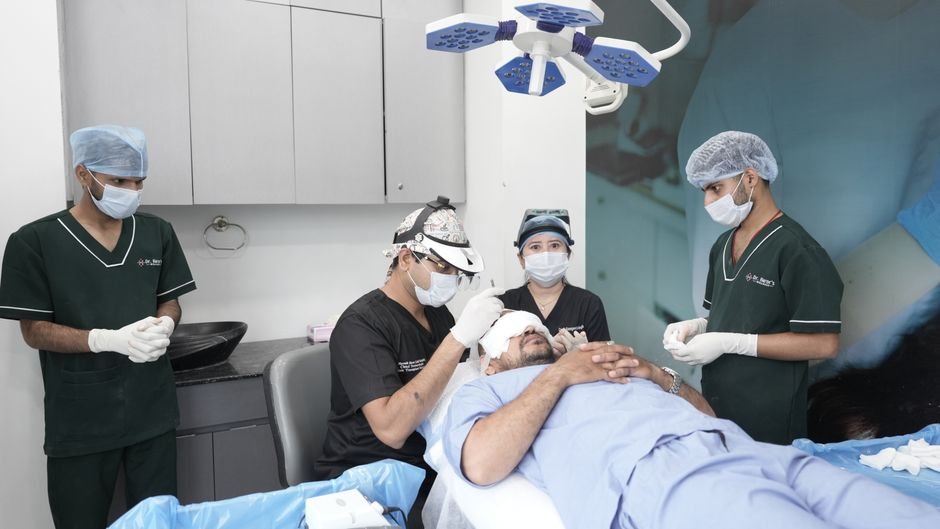
The initial hair transplant consultation Turkey serves as a critical diagnostic checkpoint where a qualified physician evaluates hair loss patterns, scalp health, and long-term prognosis. Rather than focusing on promotional packages or guest nights, a proper consultation centers entirely on medical parameters, donor capacity, and individual physiological traits that determine whether a procedure is appropriate.
Patients must recognize that not everyone experiencing hair thinning is a suitable candidate for surgical restoration. Factors such as progressive miniaturization, underlying dermatological conditions, donor density, and age play significant roles in procedural planning. A reliable medical evaluation avoids guaranteeing outcomes, steering clear of phrases like “100% safe” or “risk-free,” and instead presents a balanced medical perspective detailing both potential benefits and biological limitations.
When evaluating clinics or medical providers remotely, international patients often face a high volume of marketing materials. Cutting through promotional language requires asking targeted, technical questions that reveal how a clinic operates in practice. The following sections outline the essential categories of inquiry that should form the backbone of any serious clinical consultation.
1. Diagnosis and Classification of Hair Loss
Before any surgical plan is drafted, a clinician must establish a precise diagnosis for the cause of hair loss. Not all hair thinning is androgenetic alopecia (pattern baldness); conditions like alopecia areata, telogen effluvium, scarring alopecias, or traction alopecia require entirely different medical management strategies and are generally unsuited for surgical transplantation.
During the consultation, patients should explicitly ask:
- What is the official medical diagnosis for my specific type of hair loss?
- Has my hair loss stabilized, or is it expected to progress further in the coming years?
- Have underlying scalp conditions, nutritional deficiencies, or hormonal factors been ruled out?
- Am I an medically appropriate candidate for a surgical hair restoration procedure at this stage of my life?
A responsible medical team will examine scalp images closely, ask about family history, and evaluate the progression rate of miniaturization rather than simply accepting a patient’s self-diagnosis.
2. Donor Area Evaluation and Long-Term Planning
The donor area—typically the back and sides of the scalp—is a finite resource. The long-term aesthetic success and natural appearance of a hair transplant rely heavily on how conservatively and strategically this donor zone is harvested. Over-harvesting can lead to permanent thinning, visible scarring, and a depleted appearance in the donor region.
Key questions regarding donor capacity include:
- What is my current donor hair density and hair caliber (thickness)?
- What is the estimated lifetime capacity of my donor area?
- How many grafts can be safely extracted without compromising the visual integrity of the donor zone?
- What safeguards are in place to prevent over-harvesting?
- Can body hair or beard hair be utilized if scalp donor resources prove insufficient, and what are the limitations of doing so?
A meticulous clinician will measure density per square centimeter and discuss the future implications of hair loss progression, ensuring that donor hairs are not depleted in a way that leaves the patient with unnatural patches later in life.
3. Surgeon Involvement and Medical Team Responsibilities
One of the most widely discussed concerns in international medical travel is the division of labor between certified physicians and medical technicians. In various large-scale facilities, often referred to colloquially as “hair mills,” technicians may perform critical surgical steps while the physician remains absent or only briefly consulted.
To clarify surgical oversight, patients should ask:
- Which exact steps of the procedure will be performed personally by the lead surgeon?
- Will the physician perform the graft extraction (e.g., scoring) and channel opening (incision creation), or are these tasks delegated to medical technicians?
- What are the specific qualifications, licensing credentials, and years of experience of the medical staff assisting the surgeon?
- How many surgical procedures does the medical team perform on a typical day?
- In the event of an unexpected medical complication during surgery, what emergency protocols and personnel are present?
Understanding these operational details ensures transparency and allows patients to verify that qualified medical professionals are directly supervising and executing invasive surgical steps.
4. Graft Calculation and Realistic Aesthetic Design
A common pitfall in international medical travel is the promise of fixed, high-volume graft counts (such as “4,000 grafts guaranteed”) before a proper clinical evaluation has occurred. Graft planning must be tailored to facial proportions, scalp surface area, age-appropriate hairline placement, and hair characteristics like curl and color.
Essential questions concerning graft numbers and hairline design include:
- How was the proposed graft number calculated for my scalp?
- How are grafts distributed between the hairline, mid-scalp, and crown areas?
- Is the proposed hairline design anatomically suitable for my facial structure and expected age progression?
- What happens if the actual number of extracted grafts differs significantly from the initial estimate?
A conservative aesthetic approach prioritizes natural framing over aggressive, low hairlines that may appear unnatural as the patient ages.
5. Procedural Techniques: FUE vs. DHI
Clinics frequently market specialized techniques such as Follicular Unit Extraction (FUE) or Direct Hair Implantation (DHI) as proprietary innovations. In medical reality, these are established variations of standard extraction and implantation methodologies, each with distinct indications and handling requirements.
Patients should consult their medical provider on technical specifics:
- What specific extraction technique (manual, micromotor, or robotic) will be used for my case, and why?
- What is the difference between opening channels first versus simultaneous implantation (as in DHI), and which is clinically indicated for my hair characteristics?
- What is the expected out-of-body time (graft preservation time) for the harvested follicles, and what storage solution is utilized?
- What is the anticipated transection rate (damage rate to follicles during extraction) at the clinic?
Discussing these technical parameters helps patients understand the mechanics of the surgery beyond marketing terminology.
6. Pre-Operative and Post-Operative Medical Protocols
A successful surgical outcome depends heavily on rigorous preparation and disciplined aftercare. Pre-operative instructions often involve pausing certain medications, supplements, or lifestyle habits, while post-operative care governs washing routines, physical activity restrictions, and shedding phases.
Questions to ask about operational protocols include:
- Which medications, blood thinners, vitamins, or substances must be discontinued prior to surgery, and how many days in advance?
- What medications or topical treatments are prescribed immediately after the procedure (e.g., anti-inflammatories, antibiotics, edema preventatives)?
- What is the exact protocol for washing the hair and removing scabs during the first two weeks?
- When is it safe to resume physical exercise, heavy lifting, swimming, or wearing hats?
- What is the timeline for the normal shock-loss phase and subsequent new hair growth?
Patients should also inquire about long-term maintenance, such as whether non-surgical therapies like minoxidil, finasteride, or platelet-rich plasma (PRP) therapy are recommended to preserve existing native hair.
7. Managing Complications, Risks, and Revision Scopes
Every surgical intervention carries inherent risks, including infection, excessive bleeding, poor growth yield, unnatural styling, cobblestoning, or donor site depletion. Transparent consultations must openly address these potential complications rather than presenting surgery as completely risk-free.
Critical safety questions include:
- What are the primary medical risks and potential complications associated with this procedure?
- How does the clinic handle post-operative complications or unsatisfactory growth outcomes for international patients who have returned home?
- What follow-up communication channels (e.g., scheduled check-ins, photo reviews) are maintained after departure?
- Does the clinic offer a policy or revision protocol in cases where graft survival falls significantly below expectations?
Knowing how a provider handles long-term communication and post-operative support is essential for peace of mind when traveling abroad for medical care.
Evaluating Credentials and Independent Verification
Verifying the credentials of international medical providers requires independent research beyond promotional websites and social media testimonials. Patients should cross-reference medical licensing bodies, verify specialist board certifications where applicable, and look for transparent, verifiable records of clinical practice.
When selecting hair transplant Turkey safe clinic options, independent reviews, direct communication with the treating physician, and clear documentation of hospital affiliations or surgical accreditation are far more reliable indicators of quality than advertising claims. Before Turkey remains strictly an informational resource; readers should always consult independent medical boards, licensed physicians, and qualified healthcare professionals to verify provider standing before making any definitive decisions regarding their health.