Rhinoplasty Consultation in Turkey: What to Discuss
On this page
Preparing for a rhinoplasty consultation Turkey requires careful thought, clear communication, and an analytical approach to both aesthetic desires and functional nasal health. As an international patient researching surgical options abroad, the initial dialogue with a facial plastic surgeon or otolaryngologist sets the foundation for the entire surgical process. Before Turkey operates strictly as an independent digital publishing platform providing informative content, meaning we do not offer medical advice, coordinate treatments, or serve as medical intermediaries. Instead, our editorial goal is to equip you with structured, realistic knowledge so you can navigate clinical conversations independently, ask precise questions, and evaluate providers objectively.
Understanding the Purpose of a Rhinoplasty Consultation
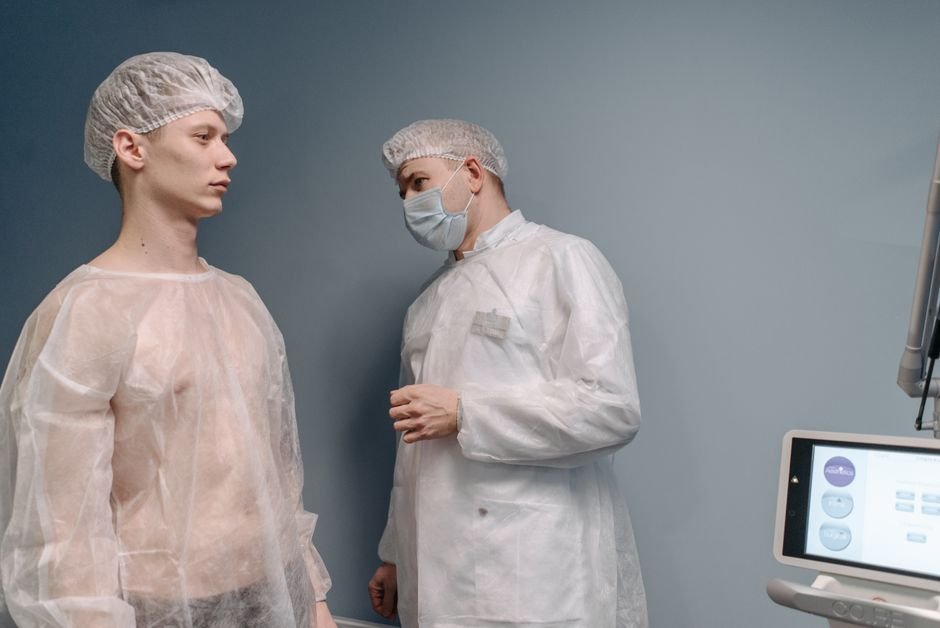
A structured rhinoplasty consultation Turkey serves as a two-way evaluation where both patient goals and anatomical limitations are thoroughly analyzed by a qualified clinician. This preliminary meeting is not a formality or a sales pitch; it is a rigorous medical assessment that determines whether a surgical intervention is appropriate for your unique nasal structure. During this session, the surgeon examines skin thickness, cartilage strength, bone framework, and internal nasal passages. International patients often arrive with reference photographs or fixed ideas about a specific nasal shape. However, a responsible consultation focuses heavily on structural integrity and the physiological realities of healing. It is essential to understand that Before Turkey does not endorse specific clinics or guarantee surgical outcomes. Every individual presents a distinct anatomical baseline, and surgical planning must be tailored to personal tissue characteristics rather than generalized trends.
Patients should approach this meeting prepared to discuss their comprehensive medical history, previous injuries, breathing difficulties, and any prior nasal procedures. Transparency regarding medical conditions, medications, and lifestyle habits—such as smoking—is critical for safety. Surgeons utilize this data to assess healing capacity and anesthesia risks. When evaluating your options, remember that independent research into provider credentials is vital. While many travelers use public transport networks like intercity buses to navigate between cities for appointments, the logistical ease of travel should never overshadow the primary objective: clinical safety and thorough preoperative dialogue.
Defining Aesthetic Goals and Managing Expectations
Articulating your visual objectives during a rhinoplasty consultation Turkey requires a balanced perspective between personal preference and anatomical feasibility. Patients frequently seek modifications to reduce a dorsal hump, refine the nasal tip, or correct asymmetry. During the discussion, a qualified surgeon evaluates how these desired changes will interact with the rest of your facial features. It is important to recognize that perfect symmetry is rarely achievable, and subtle variations are normal in natural human anatomy.
Discussions regarding aesthetic goals should always incorporate a frank dialogue about limitations. Thick skin, weak cartilage, or previous trauma can restrict the degree of structural modification possible. Surgeons should explain these constraints clearly without making unrealistic promises. Editorial guidelines emphasize that no medical procedure is entirely risk-free, and terms like “guaranteed results” have no place in responsible surgical planning. Your consultation should leave you with a clear understanding of the difference between an idealized outcome and a medically sound, realistic projection.
Addressing Breathing Function and Nasal Airways
A common oversight among medical travelers is focusing exclusively on the external appearance of the nose while ignoring internal functionality. A comprehensive rhinoplasty consultation Turkey must prioritize airway assessment, including the evaluation of the nasal septum, turbinates, and internal nasal valves. Structural issues such as a deviated septum or enlarged turbinates can impair breathing, a condition that can often be addressed concurrently via septoplasty during a functional or structural rhinoplasty procedure.
Patients should explicitly mention any chronic congestion, snoring, sleep disturbances, or difficulties breathing through one or both nostrils. The surgeon should perform a physical examination using a nasal speculum or endoscope to visualize internal anatomy. If functional corrections are necessary, the surgical plan must integrate both cosmetic refinement and airway stabilization to ensure that aesthetic changes do not compromise airflow. Discussing these functional aspects protects your long-term respiratory health and ensures the procedure improves, rather than hinders, daily comfort.
Evaluating Surgeon Credentials and Experience
Verifying the professional background of your surgeon is arguably the most critical step in planning a medical journey abroad. During your research and subsequent consultation, you should inquire about the surgeon’s board certification, specialized training in facial plastic surgery or otolaryngology, and years of specific rhinoplasty experience. It is entirely appropriate to ask how frequently the surgeon performs this specific procedure and what percentage of their practice is dedicated to primary versus revision rhinoplasty.
International patients should also ask to view a portfolio of before-and-after photographs representing cases with similar initial anatomy to their own. Look for consistency in results across various skin types and structural challenges. Furthermore, verify the accreditation of the hospital or surgical facility where the operation will take place. Safe medical tourism relies on choosing licensed, fully equipped medical centers that adhere to rigorous sterilization and emergency-management protocols. Always cross-reference provider credentials independently through official medical associations or regulatory bodies in Turkey.
The Role and Limits of Digital Imaging
Many modern clinics utilize computer-aided imaging software during a rhinoplasty consultation Turkey to generate simulated projections of potential surgical outcomes. While these digital tools can be helpful for visualizing broad concepts—such as reducing dorsal height or rotating the nasal tip—they come with important limitations that must be understood.
Digital simulations are communication aids, not contractual guarantees. The human body heals unpredictably, and tissue memory, skin elasticity, and internal scarring can influence the final result in ways that software cannot fully anticipate. A responsible surgeon will use imaging strictly to understand your preferences while explicitly reminding you that the simulated image is an illustrative approximation rather than a precise preview of reality. Be cautious of any provider who presents digital alterations as a definitive promise of how you will look post-recovery.
Understanding Anesthesia and Surgical Protocols
Clarifying the type of anesthesia used during the procedure is a fundamental part of your consultation agenda. Rhinoplasty is typically performed under general anesthesia, though certain minor revisions may occasionally involve local anesthesia with sedation. You should discuss who administers the anesthesia—specifically, whether it is managed by a board-certified anesthesiologist—and what monitoring equipment will be active throughout the operation.
Inquire about the anticipated duration of the surgery and the standard protocol for immediate postoperative observation. Understanding whether an overnight hospital stay is required helps international patients plan their accommodation and support network. Safety protocols should also cover how the surgical team manages potential complications, bleeding, or adverse reactions to medications. Knowing these details in advance helps reduce anxiety and ensures you are mentally prepared for the clinical environment.
Navigating Recovery Timelines and Healing Phases
The healing process following nasal surgery is gradual, requiring patience and adherence to postoperative care instructions. During your consultation, ask for a detailed breakdown of the recovery timeline. Key milestones typically include the removal of nasal splints and sutures around the end of the first week, the gradual reduction of acute swelling over the first month, and the subtle refinement of nasal contours that can continue for up to a year or more.
Patients traveling from abroad must understand the required duration of their stay in Turkey. Most surgeons advise remaining in the local area for at least seven to ten days post-surgery to allow for initial follow-up examinations and safe removal of external supports before undertaking international air travel. Discussing activity restrictions—such as avoiding strenuous exercise, wearing glasses, and protecting the nose from accidental impacts—ensures you can plan your time off work and personal commitments realistically.
Revision Policy, Complications, and Remote Follow-Up
A transparent and comprehensive consultation must address the possibility of unfavorable outcomes or the potential need for revision surgery. While skilled surgical techniques minimize risks, a small percentage of primary rhinoplasties may require minor adjustments or secondary interventions due to unpredictable healing or structural shifting.
Ask the surgeon about their revision policy, including what provisions are in place if a secondary procedure becomes medically necessary. Clarify whether revision fees apply and how long after the initial surgery revisions are evaluated—typically, surgeons prefer to wait at least twelve months for tissues to fully soften and stabilize before performing revision work. Additionally, establish how postoperative communication will be handled once you return home. Discuss which channels are used for sharing healing photographs, who manages emergency questions remotely, and how local follow-up care with a clinician in your home country can be coordinated if needed.
Ultimately, a successful medical journey begins with asking the right questions, maintaining realistic expectations, and prioritizing clinical safety above all other factors. By approaching your consultation with a critical and informed mindset, you position yourself to make sound decisions regarding your health and well-being.