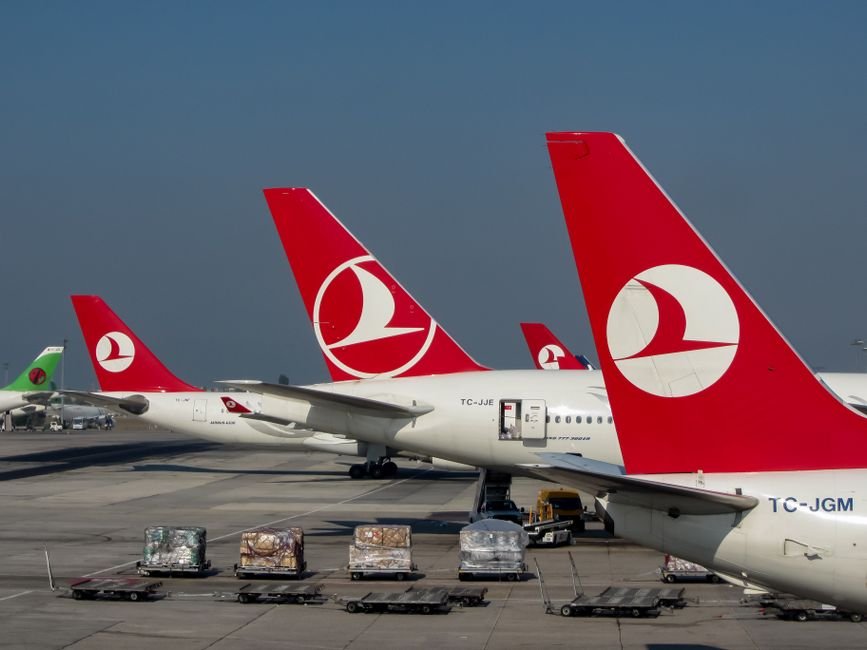
Turkey Intercity Bus Travel: What Visitors Should Know
On this page
Planning a trip across regions often brings up the question of transport, and Turkey intercity bus travel remains one of the most extensive, affordable, and practical ways to move between cities. Long-distance buses connect almost every corner of the country, offering an alternative to domestic flights without the strict baggage weight limits or remote airport transfers. Before booking a cross-country route, understanding how terminals operate, how seating works, and what to expect on board helps avoid common confusion for first-time visitors.
Before Turkey operates strictly as an independent digital publishing platform. We do not provide travel agency services, arrange bus bookings, or manage ticket reservations. Schedules, routes, and operational details can change depending on the bus company and season, so travelers should always verify current timetables directly through official company websites or terminal offices.
Navigating Terminals: Understanding the Otogar System
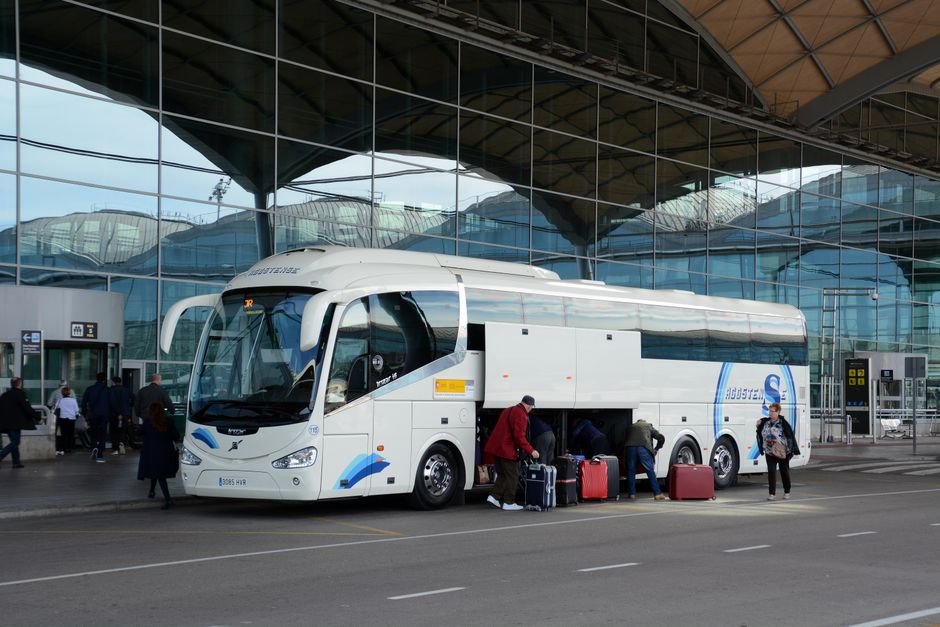
The first major hurdle for international visitors using Turkey intercity bus travel is the bus terminal, universally known in Turkish as an otogar. Major cities have massive, centralized otogars that function almost like airports, complete with dozens of platform gates, ticketing offices, shops, and security checkpoints. Smaller towns might feature a more modest station with just a handful of bays.
Because major otogars can be sprawling complexes, arriving at least 45 minutes before departure is standard practice. Many large terminals are located on the outskirts of cities rather than downtown. To solve this, major bus operators provide complimentary shuttle services, called servis, from their downtown sales offices directly to the central otogar. Checking whether your chosen company offers this complimentary transfer can save you an expensive taxi ride.
Inside the terminal, ticketing counters line the main concourse, each representing a different coach company. Companies operate varying fleets, routes, and service standards. When you purchase a ticket, you will be assigned a specific bus platform number. Make sure to double-check this number with station staff, as gate assignments can occasionally shift at busy hubs.
Seat Selection and the Gender Rule
One unique aspect of Turkey intercity bus travel that surprises foreign travelers is the seating arrangement policy. Most long-distance coaches feature a 2+1 seating configuration—two seats on one side of the aisle and a single seat on the other—offering more legroom and privacy than standard European coaches. However, ticketing systems enforce a strict gender rule for solo travelers.
If you are booking a ticket as a single traveler, the online system or ticket agent will usually not allow you to select a seat directly next to an unrelated passenger of the opposite gender. A lone male cannot book the vacant seat right next to a lone female unless they are traveling together on the same reservation. Couples or family members can easily select adjacent seats, but solo travelers should look closely at the gender icons marked on the seat selection grid.
For independent visitors who want to prepare their digital tools ahead of time, ensuring you have Turkey travel apps downloaded onto your smartphone can make navigating terminal Wi-Fi and local maps much smoother.
Baggage Policies and Onboard Service
Unlike budget airlines that charge heavily for checked bags, intercity buses in Turkey are remarkably generous with luggage. Passengers generally hand over large suitcases to the luggage handlers before boarding. The attendant places your bag in the lower storage compartment and hands you a corresponding baggage claim check tag. Keep this tag safe, as you will need to present it to retrieve your belongings at your destination terminal.
On board the coach, service standards are high compared to standard Western European or North American bus lines. Most long-distance routes feature an attendant, known as a muavin, whose job is to assist passengers, hand out small bottled water or packaged snacks, and pour cups of tea or coffee during the journey. Coaches are equipped with personal entertainment screens, USB charging ports, and free Wi-Fi, though network speeds can drop when passing through rural or mountainous terrain.
Rest Stops and Overnight Journeys
For routes taking longer than four or five hours, buses make scheduled stops at large roadside highway facilities. These rest stops feature clean restrooms, cafeterias, prayer rooms, and regional food shops. The driver or attendant will announce how many minutes the break will last—usually between twenty to thirty minutes. It is vital to note your bus license plate number and the exact departure time before stepping away, as coaches depart promptly.
Overnight journeys are common for distances exceeding eight hours, such as traveling from Istanbul to Cappadocia or the Mediterranean coast. While sleeper trains are limited, overnight buses allow travelers to save on a night of hotel accommodation. Seats recline comfortably, though light sleepers might want to pack an eye mask and earplugs since overhead reading lights or announcements can occasionally disturb rest.
For visitors exploring specific historical regions after their bus journey, reviewing local transport details or regional guides beforehand helps streamline the trip. For example, visitors heading down to the coast or southern regions can read through independent guides such as the Antalya old town guide for practical orientation upon arrival.
Booking Considerations and Practical Tips
Securing tickets for intercity buses is straightforward, but timing depends on the season. During national holidays, religious festivals like Eid, and the peak summer tourism months, routes fill up days in advance. Off-season travel usually allows passengers to purchase tickets on the same day of departure.
When planning your transit schedule, always factor in potential traffic delays, particularly when entering or leaving major metropolitan hubs like Istanbul or Ankara. Keep your passport or a clear digital copy accessible, as highway police occasionally conduct routine checks at roadside checkpoints.
Approaching intercity coach travel with an understanding of terminal layouts, ticketing rules, and baggage handling ensures a smooth journey across regions. By verifying schedules directly with operators and preparing your personal documents ahead of time, you can navigate the highway network efficiently and comfortably.