Ramadan in Turkey: What Tourists Should Expect
On this page
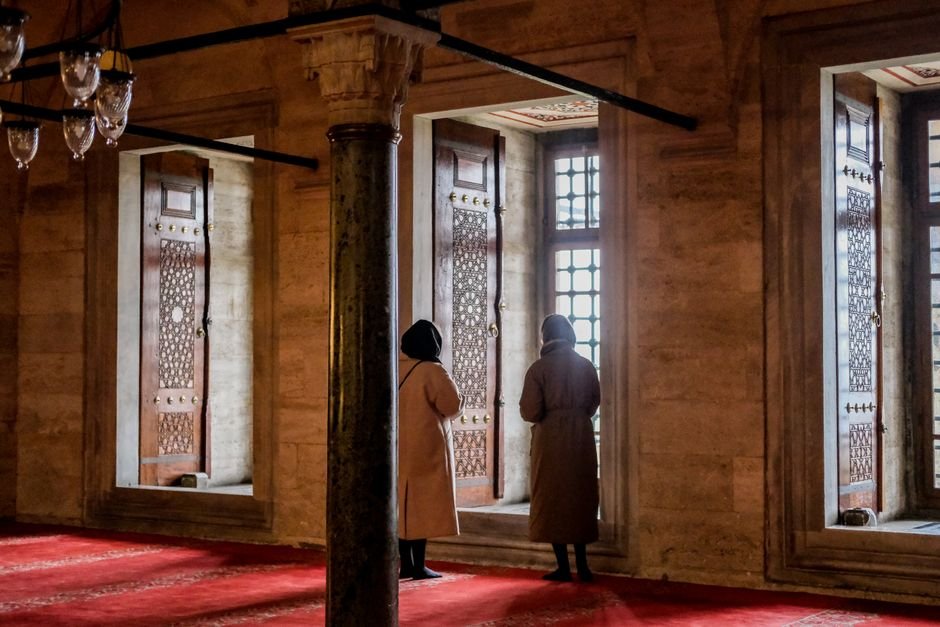
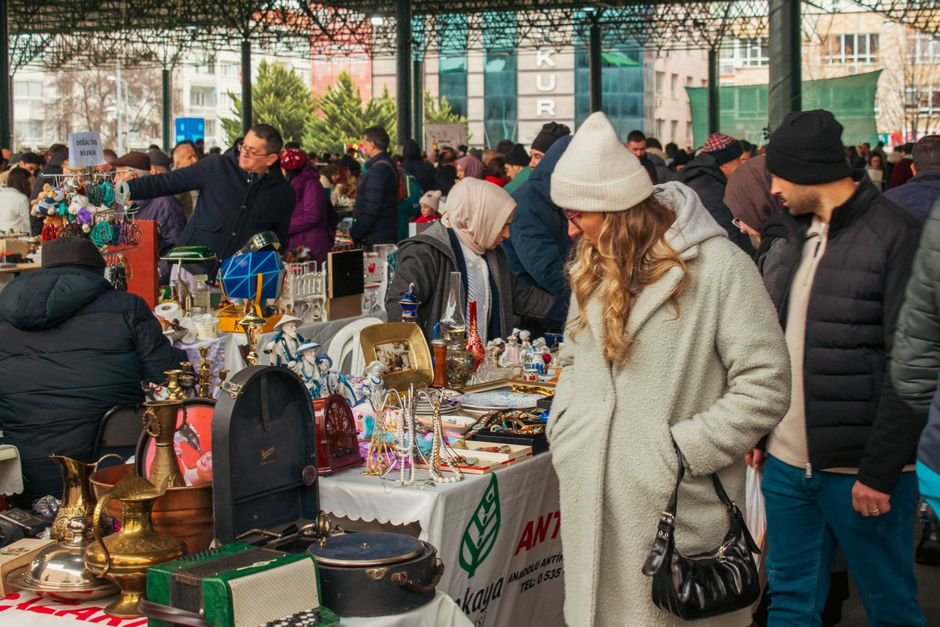
Planning a trip during Ramadan in Turkey for tourists often brings a mix of eager anticipation and mild apprehension. People wonder if the streets will be empty, if restaurants will be shut, or if they will accidentally cause offense by sipping water on a sunny afternoon. Having lived through many of these seasons here, I always tell visitors to take a deep breath. Turkey is a vast, wonderfully diverse country where ancient traditions blend seamlessly with a modern, secular daily rhythm. You won’t find yourself locked out of civilization, but you will notice a delightful shift in the mood of the neighborhoods, a distinct aroma of warm flatbread in the late afternoon, and a communal warmth that makes traveling during this month genuinely special.
The Changing Rhythm of Daily Life
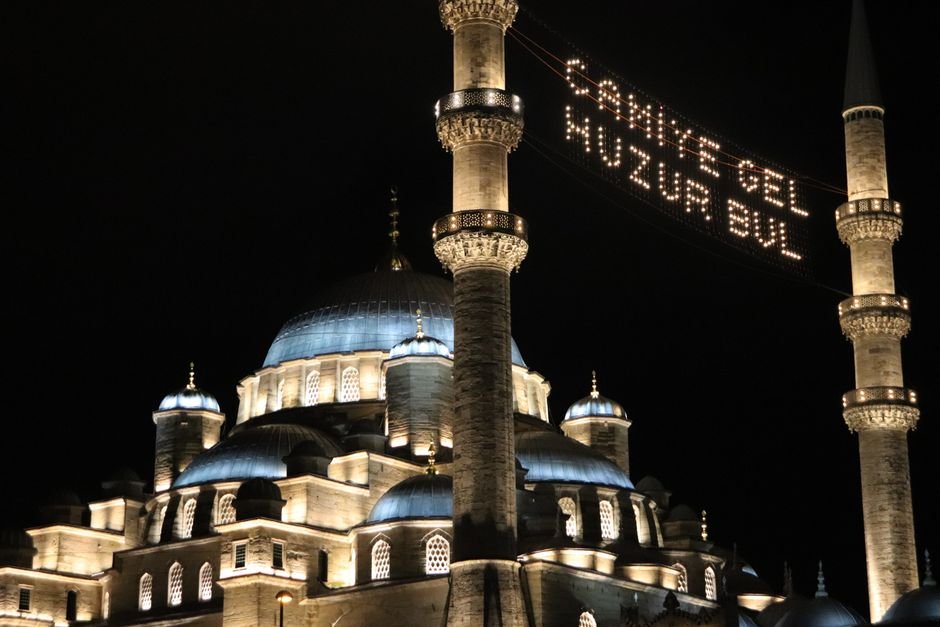
When experiencing Ramadan in Turkey for tourists, the most striking change you will notice is the daily pulse of the streets rather than a total shutdown. Mornings start a bit sleepier than usual. People who stayed up late for the pre-dawn meal, known as sahur, might sleep in a little later, meaning cafes and shops in residential areas could open their doors at a more leisurely pace.
As the afternoon rolls on, the atmosphere shifts. Walk past any neighborhood bakery around 5 PM, and you will likely see a winding queue of locals waiting for pide—the signature round, sesame-topped flatbread baked exclusively during this month. The scent alone is enough to convert anyone. Public transportation gets delightfully frantic right before sunset. Everyone is rushing home or to a restaurant table to break the fast with their loved ones, leaving buses, trams, and metro lines buzzing with a shared, collective anticipation.
Before you pack your bags and head out, it is always a good idea to check your digital setup, perhaps taking a look at Turkey travel apps to help you navigate changing transport schedules and restaurant hours smoothly during the holy month.
Finding Food: Restaurants and Cafes During the Day
One of the biggest misconceptions travelers harbor is that finding a meal during daylight hours is an impossible mission. In major tourist hubs like Istanbul, Antalya, Izmir, and popular coastal towns, daily life goes on with remarkable flexibility. Cafes, restaurants, and tourist attractions remain open to serve visitors.
If you are exploring a bustling historical neighborhood or a seaside promenade, you can easily sit down for lunch, sip your afternoon tea, or grab a coffee. In more conservative residential districts or smaller inland towns, however, you might notice that smaller neighborhood eateries or local tradesman lunch spots keep their shutters down or use curtains on their windows during the day. It is simply a matter of courtesy and respecting those who are fasting around you. You will rarely go hungry, but a little observation of your immediate surroundings goes a long way.
The Magic of Iftar and Sahur
If you are fortunate enough to experience iftar—the evening meal that breaks the fast—you are in for a cultural treat. The exact moment of sunset is marked by the call to prayer echoing from the minarets, often accompanied by the nostalgic boom of a ceremonial cannon in older districts like Istanbul. Suddenly, busy streets go quiet, and tables across the city fill with laughter, clinking glasses of tea, and plates overflowing with olives, soups, dates, and warm pide.
Many restaurants offer special iftar set menus featuring traditional Ottoman dishes, slow-cooked meats, and rich desserts like güllaç, a delicate milk-and-rosewater pastry made exclusively during this season. Booking a table in advance for sunset is often smart, especially at popular spots along the Bosphorus or historic squares.
Later in the night, long after dinner has settled, the streets come alive again. Drummers wander through residential neighborhoods in the dead of night, playing traditional rhythms to wake people up for sahur, the heavy meal eaten before dawn. It is an old, charming custom that adds a unique acoustic layer to the nighttime soundscape.
Public Behavior and Cultural Sensitivity
Navigating social expectations during Ramadan is less about rigid rules and more about basic mindfulness. Turkey is a society that deeply values hospitality, and locals are remarkably forgiving of tourists who might not know every nuance of local custom.
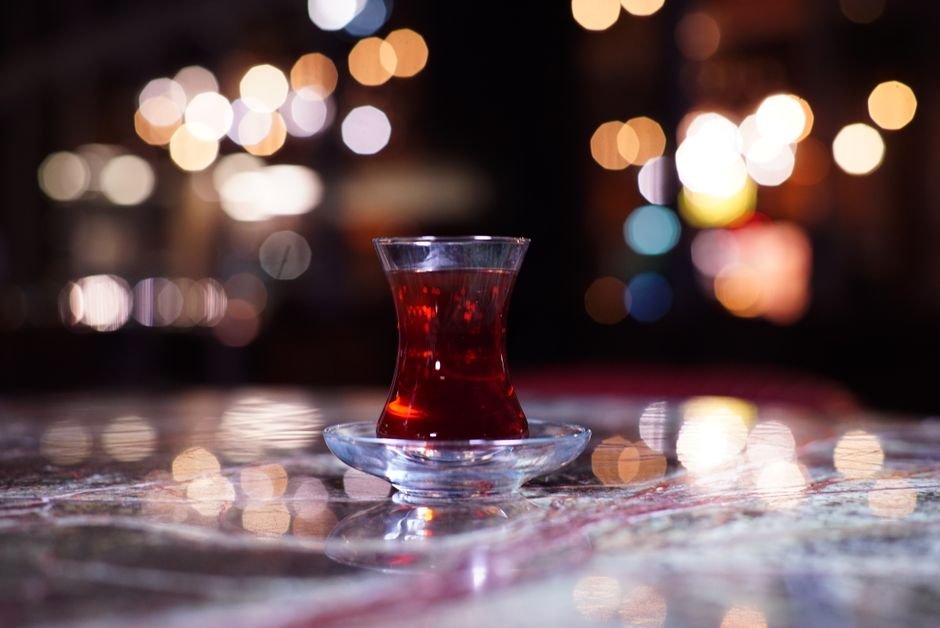
That said, walking down a quiet street while loudly eating a large slice of pizza or gulping from a water bottle in front of someone who has been fasting since sunrise is generally considered impolite. While nobody will reprimand you, keeping your snacks and drinks discreet—or sitting inside a cafe rather than pacing the pavement—shows a gracious awareness of your environment. When visiting sacred spaces or observing evening community gatherings, standard cultural courtesy applies. For deeper insights into local customs, you might enjoy learning more about Turkish tea culture, which remains a cornerstone of social connection even during the holy month.
Regional Variations Across the Country
It is a mistake to view Turkey as a monolith where every city experiences Ramadan in the exact same way. The atmosphere changes dramatically depending on where you happen to be.
In cosmopolitan centers like Istanbul, Kadıköy, or resort towns along the Mediterranean and Aegean coasts, the observant and the secular live side by side with effortless ease. You can find buzzing nightlife in certain neighborhoods while adjacent streets host quiet family gatherings. On the other hand, visiting deeply traditional or eastern regions—such as Konya, Şanlıurfa, or Mardin—offers a much more intense, immersive experience where the entire rhythm of the city bends toward the spiritual traditions of the month. In these places, daylight hours are remarkably tranquil, and the evening celebrations take on a profoundly historic, communal character.
Before Turkey is only a digital publishing and content platform designed to help international readers understand local dynamics. Because travel plans, restaurant hours, and seasonal schedules can always shift slightly depending on the lunar calendar, it is wise to keep an open mind and check current local updates as your trip approaches. Approach the season with curiosity, enjoy the midnight drums, share in the hospitality, and let the gentle rhythm of Ramadan show you a warmer, more reflective side of Turkish daily life.