Mastering Turkish coffee etiquette is your secret passport to understanding local hospitality, social rhythms, and the art of slowing down in a bustling country. When you sit down at a traditional café or a local friend’s living room in Turkey, you are rarely just ordering a caffeine fix; you are participating in a centuries-old ritual of conversation, connection, and anticipation. Navigating this charming tradition does not require a rulebook, but knowing a few cultural nuances will save you from an unexpected mouthful of coffee grounds and help you blend right in with the locals.
Let’s be honest: your first encounter with a tiny porcelain cup of dark, frothy brew can feel a bit intimidating. Will it burn your tongue? Are you supposed to eat the mud at the bottom? Do you need a degree in philosophy to order the right sugar level? Take a deep breath. Turks are wonderfully forgiving hosts who love sharing their culture, and nobody is going to judge you for holding the cup slightly wrong. Before you dive into your wider Istanbul neighborhoods exploration or map out your holiday sights, let’s demystify the wonderful world of Turkish coffee one small sip at a time.
Decoding Turkish Coffee Etiquette and Ordering Basics
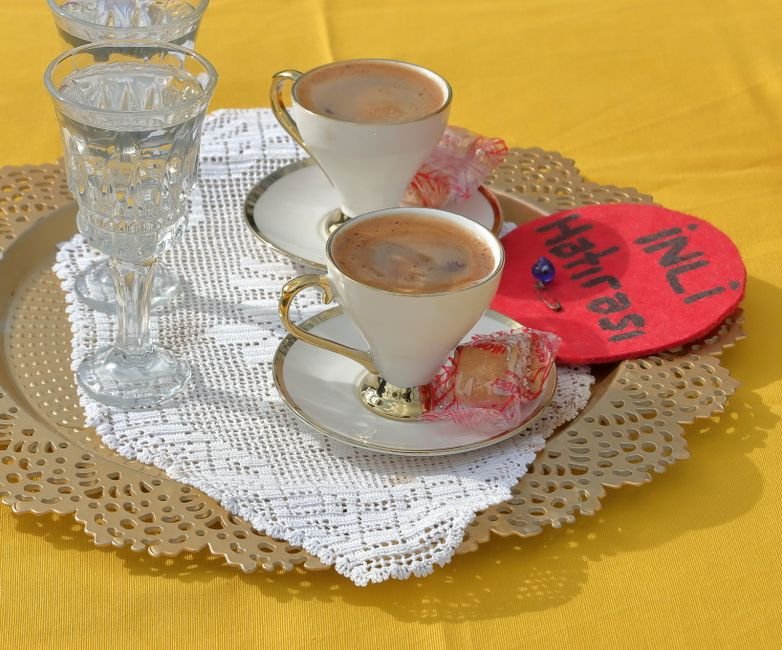
Turkish coffee etiquette centers around patience, precise preparation, and a few key social cues regarding sugar levels, serving styles, and what to do with the grounds at the bottom of your cup. Unlike a giant paper cup of filter coffee that you chug while rushing down a metro station, this brew demands your attention. It is brewed slowly in a long-handled copper pot called a cezve over a gentle flame until a rich, velvety foam—known as köpük—forms on top. If your cup arrives without a generous layer of foam, seasoned locals might raise a curious eyebrow, as the foam is considered the hallmark of a properly made brew.
Ordering can be your first hurdle if you aren’t prepared for the vocabulary test. The most important thing to know before the waiter stands over your table with a pencil and notepad is your preference for sweetness. You cannot add sugar after the coffee is brewed because it is stirred directly into the cezve while heating. Your options are usually categorized into four distinct levels:
- Sade: Completely plain, zero sugar. For the purists who love a bitter, robust kick.
- Az şekerli: Lightly sweet, featuring about half a teaspoon of sugar.
- Orta şekerli: Medium sweetness, which is the most popular choice for everyday drinkers.
- Çok şekerli: Sweet, containing a generous amount of sugar for those who prefer dessert-like notes.
If you forget to specify, a polite waiter will usually prompt you with “Orta olsun mu?” meaning “Shall it be medium?” Just smile, nod, and let the magic happen. Alongside your cup, you will almost always receive a small glass of water and a piece of Turkish delight, known as lokum. The water is meant to cleanse your palate before you drink, preparing your tastebuds for the rich flavors, while the sweet treat offers a lovely contrast to the robust coffee.
Navigating the Grounds and Cultural Customs
One of the most common rookie mistakes is treating Turkish coffee like a standard espresso or Americano and gulping it down to the last drop. Do not do this. Because the micro-fine coffee grounds are never filtered out, they settle naturally at the bottom of your cup. When you reach the last few sips, stop drinking. Leaving that dark layer of sludge at the bottom is not only expected; it is practically mandatory unless you enjoy the texture of wet sand between your teeth.
This brings us to one of the most delightful cultural customs associated with the drink: fortune-telling, or faldan. Once you finish your coffee, you place the saucer over the top of the cup, make a silent wish, and swirl the contents counterclockwise. Then, you flip the cup upside down onto the saucer and let it cool. When the cup is cool enough to lift—often accompanied by giggles and dramatic pronouncements—an amateur fortune teller will interpret the patterns left by the grounds. Whether they see a galloping horse representing a journey or a winding road signaling a new career path, it is all done with lighthearted warmth and storytelling flair. You don’t have to believe in prophecy to enjoy the laughter it brings to the table.
What Not to Overthink
Travelers often stress too much about getting every micro-detail of local customs correct. They worry about which hand holds the tiny handle, whether they should slurp, or if failing to drink the water first is an insult to their host. Relax. Turkish hospitality is remarkably welcoming and designed to make guests feel at ease, not trapped in an etiquette exam. If you accidentally drink the water after the coffee, nobody is going to call cultural security on you.
The real essence of the experience is slowing down. It is an invitation to sit across from a friend, a stranger, or a chatty local shopkeeper and pass twenty minutes in conversation without staring at a smartphone screen. If you approach the ritual with curiosity, an open mind, and a readiness to laugh at your own messy cup readings, you will fit right in. Pair your afternoon coffee break with some hearty local treats, perhaps inspired by a traditional Turkish breakfast guide mindset of taking your time over meals, and you will quickly see why this brew remains a beloved cornerstone of daily life across the country.