FUE vs DHI hair transplant Turkey is a crucial decision for anyone considering hair restoration. As a local, I know that Turkey has become the global leader in hair transplant procedures, attracting thousands of international patients every year. The two most popular and effective methods you’ll encounter are Follicular Unit Extraction (FUE) and Direct Hair Implantation (DHI). But with so much information available, how do you choose the right one for your specific needs?
The choice between FUE and DHI hair transplant in Turkey largely depends on your individual hair loss pattern, desired density, budget, and the specific recommendations of your surgeon. While FUE is generally more suitable for larger areas of baldness and offers a good balance of cost and effectiveness, DHI provides higher density and precision, making it ideal for smaller areas, hairline restoration, or those seeking maximum density, albeit at a higher price point. As Before Turkey, our goal is to help you understand these differences so you can make an informed decision with a trusted clinic.
FUE vs DHI Hair Transplant Turkey: Understanding the Core Differences
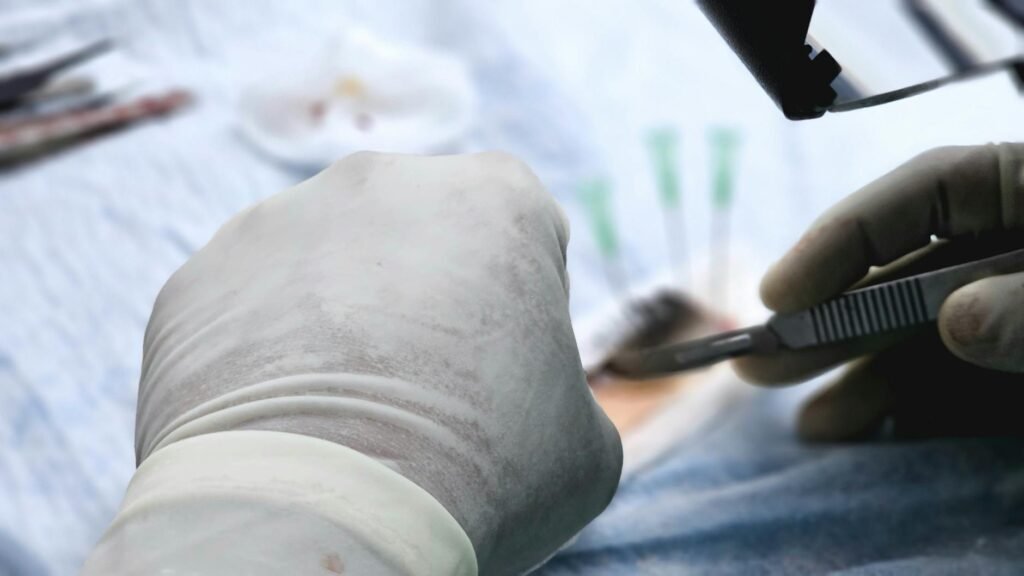
FUE vs DHI hair transplant Turkey often comes down to the method of graft implantation. Both techniques share the initial step of extracting healthy hair follicles (grafts) from a donor area, typically the back or sides of the head. The significant divergence lies in how these grafts are then prepared and implanted into the recipient area.
What is FUE Hair Transplant?
Follicular Unit Extraction (FUE) is the most widely performed hair transplant method globally. Here’s how it generally works:
- Graft Extraction: Individual hair follicles are extracted one by one from the donor area using a micro-punch tool, typically 0.6mm to 1.0mm in diameter. This leaves tiny, almost invisible scars.
- Channel Opening: Once extracted, tiny incisions (channels) are manually opened in the recipient area using very fine blades or needles. The size, angle, and direction of these channels are critical for a natural-looking result.
- Graft Implantation: The extracted grafts are then carefully placed into these pre-opened channels using forceps.
Advantages of FUE:
- Suitable for covering larger bald areas.
- Generally more affordable than DHI.
- Minimally invasive with no linear scar.
- Good for patients who want to keep their hair very short.
Disadvantages of FUE:
- Grafts are outside the body for a slightly longer period, potentially reducing viability if not handled quickly and correctly.
- May offer slightly less density compared to DHI in specific areas.
- Requires shaving the entire donor area, and often the recipient area.
What is DHI Hair Transplant?
Direct Hair Implantation (DHI) is a newer, more refined variation of the FUE technique. The key difference is the use of a specialized tool called a Choi Implanter Pen.
- Graft Extraction: Similar to FUE, individual hair follicles are extracted from the donor area.
- Direct Implantation: Instead of opening channels separately, the Choi Implanter Pen combines channel creation and graft implantation into a single step. The surgeon loads the extracted graft directly into the pen, and then the pen creates the incision and implants the graft simultaneously.
Advantages of DHI:
- Higher graft survival rate due to less time spent outside the body.
- Greater precision in angle, direction, and depth of implantation, leading to very natural results.
- Can allow for implantation without fully shaving the recipient area, which is a significant aesthetic advantage for some.
- Higher density can be achieved, especially for hairline and frontal areas.
Disadvantages of DHI:
- Typically more expensive than FUE due to the specialized tools and the more intricate, time-consuming procedure.
- Requires highly skilled and experienced surgeons to use the Choi pen effectively.
- Best suited for smaller to medium areas of hair loss, or for density enhancement.
Why is DHI More Expensive?
From my own experience observing the market, the higher cost of DHI in Turkey stems from several factors:
- Specialized Tools: The Choi Implanter Pen is a sophisticated and often single-use instrument, adding to material costs.
- Increased Skill Requirement: Performing DHI effectively demands a higher level of precision and training from the surgeon and their team.
- Longer Procedure Time: The meticulous nature of direct implantation can make the procedure take longer than FUE.
- Smaller Team: DHI often requires a smaller, highly specialized team, as opposed to FUE which can involve a larger team for channel opening and graft placement.
“As a local, I often tell people that while the cost difference is real, it’s an investment in precision. DHI’s ability to offer unparalleled control over graft placement can be a game-changer for specific aesthetic goals, especially for the hairline.”
Recovery Times: FUE vs DHI Hair Transplant Turkey
Both FUE and DHI are minimally invasive, leading to relatively quick recovery times compared to older methods. However, there are subtle differences:
- Initial Healing (First 1-2 weeks): With both methods, you’ll experience redness, swelling, and scabbing in both the donor and recipient areas. DHI might have slightly less visible scabbing in the recipient area if it wasn’t fully shaved.
- Donor Area: For both, the donor area typically heals within 7-10 days. Tiny red dots will fade over time.
- Recipient Area: The scabs in the recipient area usually fall off within 10-14 days. Due to the direct implantation, DHI might sometimes show less initial trauma to the existing hair, which is beneficial if you didn’t shave the recipient area.
- Full Recovery: The transplanted hairs will shed within 2-4 weeks (this is normal!), and new growth typically begins around 3-4 months. Full results are usually visible after 12-18 months for both techniques.
In essence, the overall healing timeline is very similar. The main difference might be the initial cosmetic appearance if you opt for a non-shaven DHI procedure.
Which Technique is Actually Better for You?
The “better” technique is entirely subjective and depends on your individual circumstances. Our advice as Before Turkey is to consider these points:
- Extent of Hair Loss:
- FUE: Ideal for larger areas of baldness (e.g., Norwood scale 4-7) where a significant number of grafts are needed.
- DHI: Excellent for smaller areas, hairline reconstruction, increasing density in thinning areas, or specific patches where precision is paramount.
- Desired Density and Naturalness:
- FUE: Provides very natural results when performed by an experienced surgeon.
- DHI: Often allows for even higher density and extremely precise control over direction, which can be crucial for a perfectly natural hairline.
- Budget:
- FUE: Generally more cost-effective.
- DHI: Higher investment due to the technique’s precision and specialized tools.
- Shaving Preference:
- FUE: Typically requires shaving both donor and recipient areas.
- DHI: Can often be performed without shaving the recipient area, allowing for more discreet recovery.
- Surgeon’s Recommendation: This is perhaps the most critical factor. A reputable surgeon will assess your hair loss, donor area, hair type, and aesthetic goals to recommend the most suitable method. My personal rule is always to trust the expert opinion of a well-vetted surgeon.
We’ve seen travelers struggle when they fixate on one method without understanding their own needs. Remember, the skill of the surgeon and the quality of the clinic are paramount, regardless of the technique. Look for clinics with Joint Commission International (JCI) accreditation or similar high standards.
Frequently Asked Questions About FUE vs DHI Hair Transplant in Turkey
Q1: Can I combine FUE and DHI methods?
A1: While not a standard practice to literally combine them in the same session, a surgeon might use aspects of both techniques, or recommend different approaches for different areas of your scalp depending on your specific needs. For instance, FUE for general coverage and DHI for hairline refinement. Discuss this possibility with your chosen clinic.
Q2: Which method has a higher success rate?
A2: Both FUE and DHI, when performed by experienced surgeons in reputable clinics, have very high success rates (typically over 90-95% graft survival). DHI is often cited for slightly higher graft survival due to reduced time outside the body and direct implantation, but the difference can be marginal with a highly skilled FUE team.
Q3: Do I need to shave my head for DHI?
A3: For DHI, the donor area typically needs to be shaved for accurate graft extraction. However, the recipient area can often be left unshaved, especially for smaller procedures or when blending with existing hair. This “unshaven DHI” is a popular option for those seeking discretion.
Q4: How long do I need to stay in Turkey for the procedure?
A4: For both FUE and DHI, most clinics recommend a stay of 2-3 days. This typically includes a consultation day, the procedure day, and a post-operative check-up/washing day before you fly home. As an avid world traveler myself, I always advise allowing an extra day for rest and any unforeseen circumstances.
If you have any important questions about this topic, you can reach us at ask@beforeturkey.com or through the contact form on our Contact page.