Bodrum vs Fethiye: Which Coast Fits Your Trip?
On this page
The ferry decks across the southwestern waters of Turkey often carry two distinct kinds of travellers. One group wears oversized linen shirts and talks eagerly about sunset tables overlooking superyachts, while the other carries dry bags, trail maps, and water shoes smelling faintly of pine needles and salt. Standing at the maritime crossroads where the Aegean meets the Mediterranean, choosing between Bodrum vs Fethiye is rarely just about picking a pin on a digital map. It is a decision about how you want the light to hit your mornings, what kind of maritime history you want to brush against in the afternoon, and how your evenings should wind down as the cicadas fade into the dusk.
Bodrum and Fethiye represent two different expressions of Turkey’s southern shores. Bodrum carries a polished, whitewashed glamour that has drawn artists, sailors, and writers for generations, wrapped tightly around medieval castle walls and humming marinas. Fethiye, on the other hand, stretches outward into a more rugged, pine-forested geography where deep turquoise bays shelter wooden gülets and ancient Lycian rock tombs gaze down from sheer limestone cliffs. Before you pack your bags or lock in your currency exchange details, understanding how these two coastal giants compare across beaches, nightlife, day trips, prices, transport, and overall atmosphere will help you match your personal travel rhythm to the right coast.
Bodrum vs Fethiye: The Core Differences
When travellers weigh Bodrum vs Fethiye, they are essentially choosing between curated coastal sophistication and wild, pine-fringed maritime geography. Bodrum offers a vibrant peninsula of upscale beach clubs, bustling nightlife, and historic stone architecture, whereas Fethiye leans toward dramatic natural landscapes, secluded coves, outdoor adventure, and deep historical ruins. Neither destination is objectively superior; rather, they cater to completely distinct travel styles, budgets, and expectations.
The distinction begins the moment you arrive. Bodrum feels immediate, urbanized yet distinctly coastal, with narrow alleys radiating from its iconic harbor. Fethiye feels more expansive and fragmented, scattering its treasures across a vast natural gulf, deep mountain valleys, and sheltered lagoons. If your ideal holiday involves stepping straight from a boutique hotel into a high-energy seaside dinner, Bodrum’s rhythm will feel like home. If you dream of waking up surrounded by dramatic cliffs, catching water taxis to isolated shores, or lacing up your hiking boots for the Lycian Way, Fethiye commands your attention.
Beaches and Coastline Character
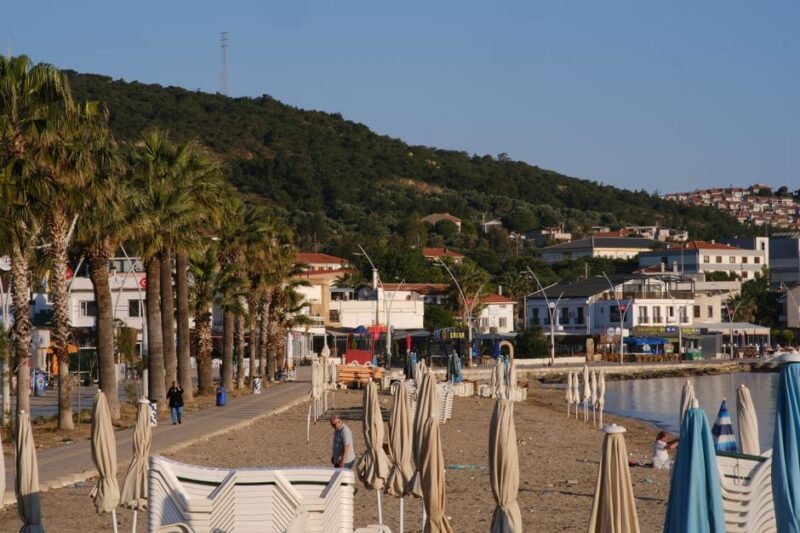
The shoreline tells the first true story of these destinations. Bodrum’s coast is defined by indented peninsulas, rocky outcrops, and curated beach clubs where golden sand is often imported or meticulously maintained. Towns like Yalıkavak, Türkbükü, and Gündoğan feature sophisticated piers, plush sun loungers, and attentive wait service. Natural public beaches exist, such as those in Bitez or Ortakent, but much of Bodrum’s beachfront is integrated with hospitality venues, marina promenades, and boutique pier setups where lounging is an all-day social affair.
Fethiye offers a vastly different coastal topography. Here, the landscape feels wilder and less manicured. The crown jewel is Ölüdeniz, where the famous Blue Lagoon curves into a protected, glassy sanctuary of impossibly turquoise water framed by towering pine-covered mountains. Unlike Bodrum’s engineered beach club culture, Fethiye’s beaches—such as Çalış, Kabak Bay, or the secluded coves accessible only by boat tours—emphasize natural beauty and outdoor immersion. Pebbled shores, dramatic cliffs, and untouched bays dominate the panorama, making it a paradise for swimmers, snorkelers, and those who prefer their coastlines unadorned.
Nightlife, Social Scene, and Evening Atmosphere
When the sun dips below the horizon, the divergence between the two regions becomes even more pronounced. Bodrum is legendary for its after-dark energy. It is home to open-air super-clubs that draw international DJs, chic cocktail bars tucked inside stone courtyards, and lively marina-front restaurants where dinner seamlessly transitions into dancing under the stars. The social scene here leans glamorous, fashionable, and energetic, appealing to travellers who enjoy seeing and being seen.
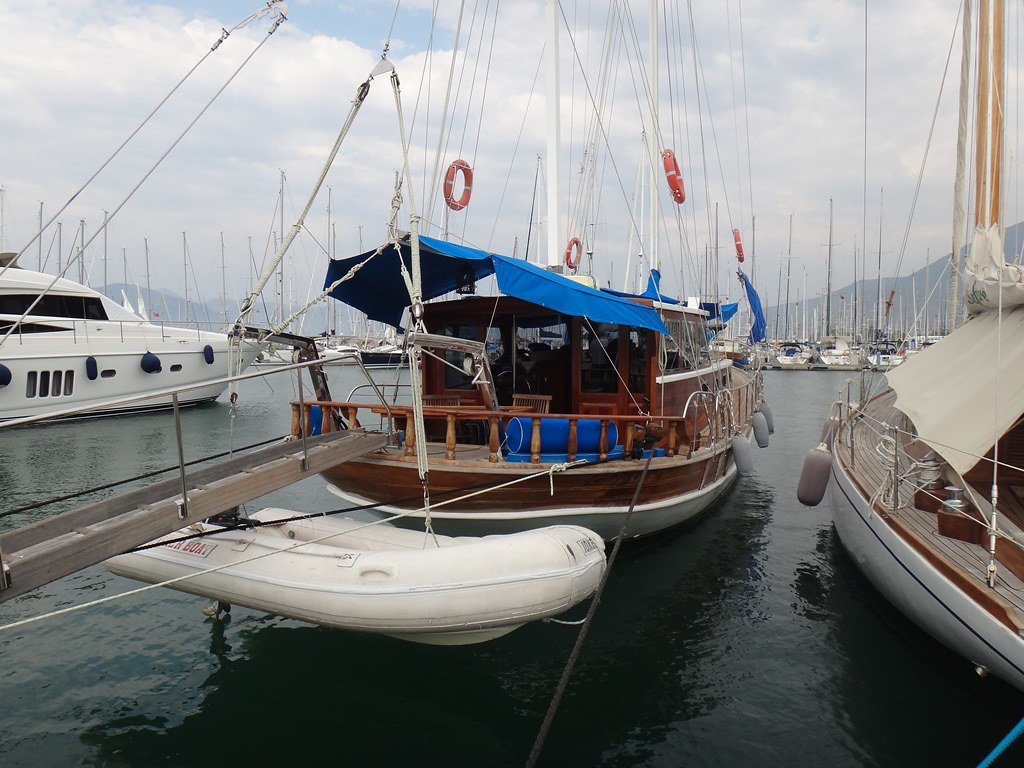
Fethiye’s evening culture is markedly more relaxed and grounded. While the old town harbors lively alleyways with charming bars, live acoustic music, and bustling fish markets where you can select your own seafood to be cooked on the spot, the overall vibe remains laid-back. Evenings in Fethiye are typically spent dining al fresco under strings of fairy lights, sipping a refreshing beverage while listening to the gentle lapping of waves against moored wooden boats, rather than dancing until dawn in high-octane mega-clubs.
Day Trips, History, and Exploration
Both regions serve as extraordinary gateways to antiquity, but the historical texture differs significantly. Bodrum is anchored by the imposing Castle of St. Peter, which houses the world-renowned Museum of Underwater Archaeology. The peninsula also marks the ancient site of Halicarnassus, once home to one of the Seven Wonders of the Ancient World. Day trips from Bodrum often include sailing excursions on traditional wooden boats to nearby Greek islands like Kos, or exploring quiet inland villages like Çökertme.
Fethiye’s historical footprint is deeply tied to the Lycian civilization. The cliffside Amyntas Rock Tombs overlook the town center, while the haunting, abandoned ghost village of Kayaköy sits quietly in a nearby valley, its roofless stone houses whispering tales of a bygone era. For broader explorations, Fethiye acts as the literal starting point of the legendary Lycian Way, and day trips easily extend to the jaw-dropping Saklıkent Gorge, Tlos ancient city, or boat trips exploring the sunken ruins of Kekova. If you are looking for outdoor adventure paired with ancient ruins, make sure to plan your journey during the best time to visit Turkey to make the most of the milder shoulder seasons.
Prices and Relative Budgeting
While exact costs fluctuate with economic shifts and seasonal timing, the relative pricing structure between the two locations is fairly consistent. Bodrum generally commands a higher price tag across the board. High-end dining, luxury resorts, branded beach clubs with steep minimum spend requirements, and upscale marina shopping push Bodrum toward the luxury end of the Turkish coastal spectrum. Even mid-range travel here often feels pricier due to the high demand and exclusive branding of the peninsula.
Fethiye tends to offer a more flexible range of budgets. While luxury villas and boutique eco-lodges certainly exist—particularly in hidden valleys like Faralya—the destination accommodates backpackers, families, and mid-range travellers much more naturally. Street food, local lokantas, public transportation, and boat trip tickets are generally more wallet-friendly. You can easily enjoy a pristine natural beach in Fethiye without paying an admission fee or a sun lounger rental premium, making it a more forgiving option for travellers watching their expenses.
Transport and Getting Around
Navigating these two regions requires different strategies. Bodrum is served by Milas-Bodrum Airport, located about 35 kilometers from the center. Getting around the peninsula relies heavily on local minibuses known as dolmuşes, taxis, or rental cars. Because Bodrum is spread out across multiple distinct bays and towns, relying solely on walking is impossible, and taxi fares across peninsula distances can add up quickly.
Fethiye is primarily accessed via Dalaman Airport, roughly 50 kilometers away. Once in Fethiye, the town center and Çalış Beach are relatively easy to navigate using local dolmuş networks. However, reaching more remote natural spots like Ölüdeniz, Kabak, or Butterfly Valley requires utilizing scheduled minibuses or arranging local transfers. For water-based travel, both regions excel at offering daily boat excursions, but Fethiye’s geography makes marine hopping an almost essential part of experiencing the hidden pockets of the gulf.
Which Coast Fits Your Travel Style?
Choosing between Bodrum and Fethiye ultimately depends on the kind of memories you want to pack in your suitcase. Consider your priorities carefully before making your final decision:
- Choose Bodrum if: You love high-end dining, vibrant nightlife, sophisticated beach clubs, sailing culture, and a glamorous, urban-coastal aesthetic.
- Choose Fethiye if: You prefer dramatic natural landscapes, hiking trails, secluded turquoise bays, ancient Lycian history, and a more laid-back, outdoorsy atmosphere.
- Consider both if: You have two weeks or more, as renting a car and driving along the stunning stretch of the Turquoise Coast allows you to experience the transition from Aegean sophistication to Mediterranean wilderness firsthand.
Whether you find yourself sipping an iced coffee on a marble-paved marina walkway in Bodrum or watching the paragliders drift down toward the blue lagoon in Fethiye, Turkey’s southwestern shores offer a masterclass in coastal variety. Take your time, weigh your daily desires against what each region naturally provides, and let the character of the coast guide your footsteps.