Ramadan travel Turkey tourists often have many questions about visiting Turkey during the holy month. It’s a common concern, but one that we, as Before Turkey, are happy to clarify.
Yes, you can absolutely travel to Turkey during Ramadan, and it can be a deeply enriching experience! While many Turks observe fasting from dawn to dusk, daily life, especially in major cities and tourist areas, continues largely as usual. You’ll find most restaurants, shops, and attractions open, though some may adjust their hours. The key is to be mindful of local customs and show respect for those who are fasting, allowing you to immerse yourself in a unique cultural atmosphere.
Ramadan travel Turkey tourists: Your Essential Guide
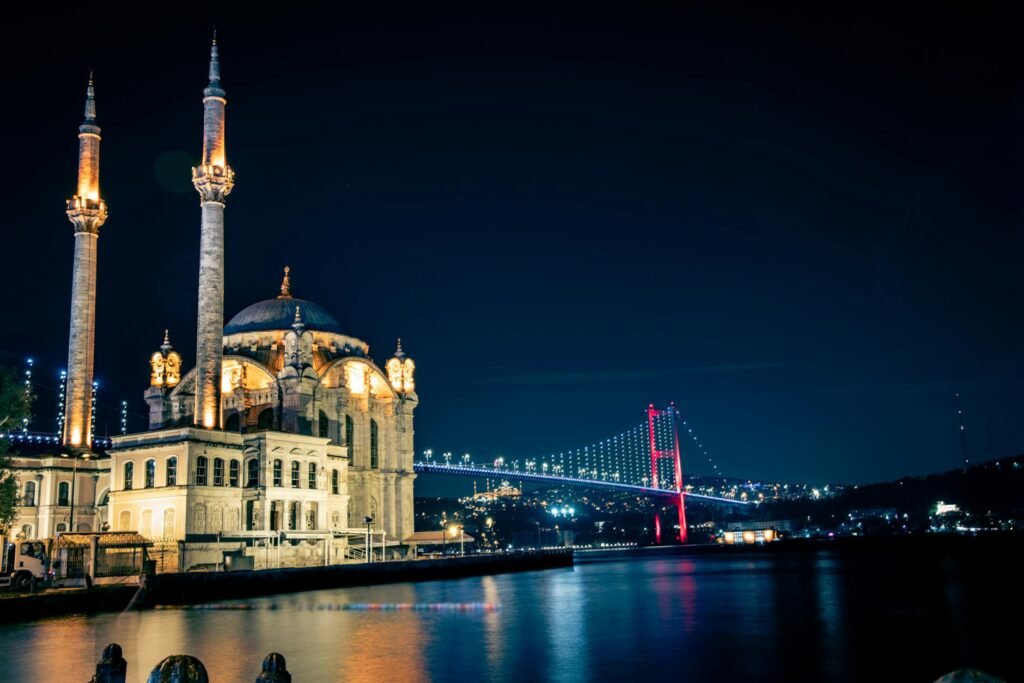
Ramadan travel Turkey tourists often wonder if visiting during this sacred month is advisable. As a local, I can assure you it is not only possible but can also offer a unique perspective on Turkish culture and hospitality. Ramadan is the ninth month of the Islamic calendar, a period of fasting, prayer, reflection, and community for Muslims worldwide. In Turkey, a predominantly Muslim country, its observance is widespread, yet the impact on tourists varies significantly depending on where you go.
Understanding Ramadan’s Impact on Daily Life
The biggest question travelers have is about business hours and closures. My personal rule is always to expect slight changes but not widespread shutdowns. Here’s what you should know:
- Major Cities vs. Conservative Regions: In bustling cities like Istanbul, Izmir, and Antalya, life for tourists is mostly business as usual. Restaurants, cafes, and shops in tourist-heavy areas remain open throughout the day. However, in more conservative cities or smaller towns, such as Konya or Kayseri, you might notice more establishments closed during fasting hours (from sunrise to sunset), especially outside the main tourist zones. As a local, I’ve seen travelers worried about finding food in Istanbul, only to discover most places are open. However, in smaller Anatolian towns, the atmosphere shifts noticeably, with more places closing down for the day or opening only after sunset.
- Iftar and Sahur: The evenings during Ramadan come alive with special meals. Iftar is the fast-breaking meal at sunset, and Sahur is the pre-dawn meal before fasting begins. Many restaurants offer special Iftar menus, which can be a wonderful cultural experience to partake in. From my own experience, joining an Iftar meal, even as a non-fasting guest, is a beautiful way to connect with local traditions and enjoy delicious food.
- Attractions and Public Transport: Major tourist attractions, museums, and public transportation generally operate on their regular schedules, though some may have slightly reduced hours. Always check specific opening times if you have a tight schedule.
Etiquette and Respect for Those Fasting
Showing respect during Ramadan is paramount. It’s about being mindful and considerate of local customs. Our advice as Before Turkey is to approach your trip with an open mind and a respectful attitude.
Here are some key etiquette tips:
- Dress Modestly: While generally good advice for visiting Turkey, it’s especially important during Ramadan. Opt for clothing that covers your shoulders and knees, particularly when visiting mosques or more conservative areas.
- Avoid Public Eating/Drinking/Smoking: In more conservative areas, try to refrain from eating, drinking, or smoking in public during daylight hours out of respect for those who are fasting. In major cities, this is less strictly observed, but it’s still a thoughtful gesture.
- Patience and Understanding: People who are fasting might be a little tired or irritable, especially towards the end of the day. Be patient in queues, with service, and in your interactions. A little kindness goes a long way.
- Learn Basic Greetings: A simple “Hayirli Ramazanlar” (Happy Ramadan) can be greatly appreciated and shows your respect for the local culture.
- Be Mindful of Noise: Especially during Sahur (pre-dawn meal), try to keep noise levels down if you are staying in residential areas, as people will be waking up to eat.
As a seasoned traveler who has spent many Ramadans in Turkey, I’ve found that the month offers a unique opportunity for cultural immersion. The evenings, filled with the joy of breaking fast and community gatherings, truly highlight the spirit of Turkish hospitality and tradition. It’s a time of reflection and togetherness that you can truly feel.
Planning for Eid al-Fitr (Şeker Bayramı)
Immediately following Ramadan is Eid al-Fitr, known as Şeker Bayramı (Sugar Feast) in Turkey. This is a significant public holiday, usually lasting three days, but often extended by the government to a full week. This is a critical factor for Ramadan travel Turkey tourists to consider.
- Increased Travel and Crowds: As a local, I can tell you that these holidays are peak domestic travel times for Turks. Families travel to visit relatives, leading to crowded airports, bus stations, and highways. Popular tourist destinations will also see a surge in visitors.
- Book in Advance: If your trip coincides with Şeker Bayramı, book your flights, accommodations, and long-distance bus tickets well in advance – preferably months ahead. Prices for these services can also be higher.
- Potential Closures: While major attractions usually remain open, some government offices, banks, and smaller family-run businesses might be closed for the entire holiday period.
For official information on Turkish public holidays and important dates, you can always refer to reliable sources. For general information about traveling in Turkey, you can visit the official website of the Turkish Ministry of Culture and Tourism.
Benefits of Traveling During Ramadan
Despite the considerations, traveling during Ramadan offers distinct advantages:
- Unique Cultural Experience: Witnessing the spiritual devotion and communal spirit during Iftar can be deeply moving and memorable.
- Special Foods: Many bakeries and restaurants prepare special Ramadan delicacies that are only available during this month.
- Potentially Fewer Crowds (Daytime): In some non-major tourist areas, you might find fewer crowds during the daytime as locals are observing the fast.
In conclusion, traveling to Turkey during Ramadan is not only feasible but can also be a truly enriching experience. By being mindful and respectful of local customs, you will gain a deeper appreciation for Turkish culture and create unforgettable memories.
Frequently Asked Questions About Ramadan Travel Turkey Tourists
Here are some common questions we receive from travelers planning to visit Turkey during Ramadan:
Q: Will all restaurants be closed during Ramadan?
A: No, in major cities and tourist areas like Istanbul, Antalya, and Cappadocia, most restaurants and cafes will remain open during the day. In more conservative towns, you might find more closures, but there will always be options available, especially in hotels.
Q: Is it disrespectful to eat or drink in public during Ramadan?
A: In more conservative regions, yes, it can be seen as disrespectful to openly eat, drink, or smoke in public during fasting hours. In secular cities like Istanbul, it’s less of an issue, but showing discretion and respect is always appreciated. Our advice as Before Turkey is to be mindful of your surroundings.
Q: Will tourist attractions and shops be open during Ramadan?
A: Most major tourist attractions, museums, and larger shops will maintain their regular or slightly adjusted hours. Smaller, family-run businesses might have more varied hours or close earlier. It’s always a good idea to check specific opening times if you plan to visit a particular place.
Q: What is Şeker Bayramı, and how does it affect travel?
A: Şeker Bayramı (Eid al-Fitr) is a major public holiday immediately following Ramadan, usually lasting 3-4 days. It’s a time of family visits and celebrations, leading to significant increases in domestic travel, crowded transport, and higher prices for flights and accommodations. Book everything well in advance if your trip overlaps with this period.
Q: Is there anything special to experience during Ramadan?
A: Absolutely! The evenings come alive with special Iftar meals, often accompanied by traditional music and family gatherings. Many restaurants offer special Iftar menus. It’s a unique opportunity to witness the spiritual and communal aspects of Turkish culture firsthand.
If you have any important questions about this topic, you can reach us at ask@beforeturkey.com or through the contact form on our Contact page.