Utilities in Turkey: A Foreigner’s Setup Guide
On this page
Managing utilities in Turkey for foreigners involves navigating a structured process of account transfers, subscription setups, and regular payments that vary depending on the city, the municipality, and individual provider rules. Whether you have recently secured a long-term rental property or purchased real estate, transitioning essential services into your own name is a critical operational step. Before Turkey serves as an informational platform only, and since administrative requirements, deposit calculations, and local regulations change frequently, applicants must verify current procedures through official utility providers and qualified local professionals.
Establishing utility accounts requires a systematic approach to each service type, including electricity, water, natural gas, internet, and building management fees. Understanding the underlying mechanisms of these systems prevents service interruptions and unexpected financial liabilities. Because administrative practices differ between major urban centers like Istanbul and regional districts along the coast, a flexible approach combined with proper documentation is essential for a smooth transition.
Electricity Setup and Requirements
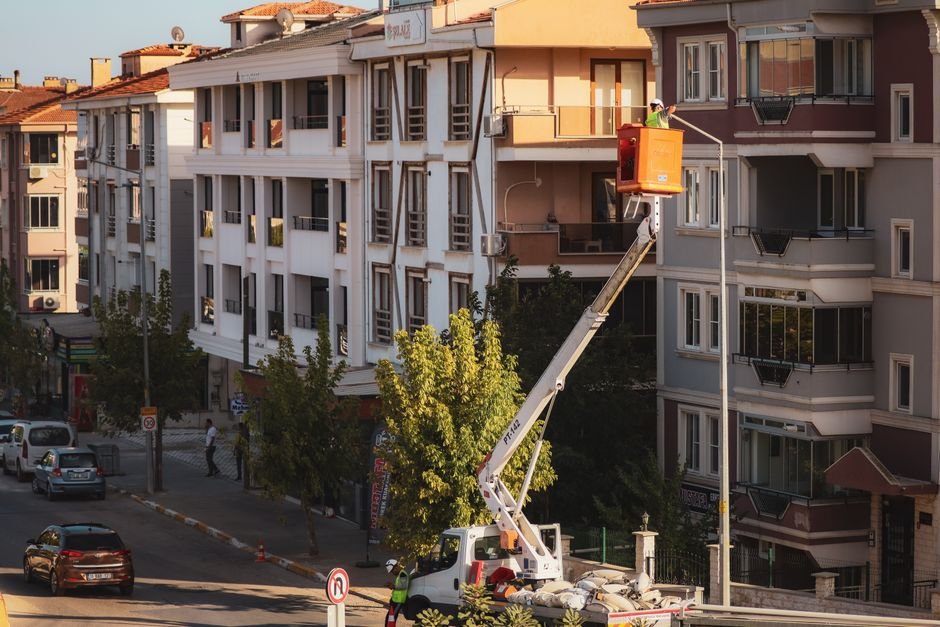
The process for setting up electricity when managing utilities in Turkey for foreigners typically begins with securing mandatory compulsory earthquake insurance, known as DASK, alongside a valid rental agreement or title deed. Electricity distribution is managed by regional private companies rather than a single national entity, meaning that administrative steps, required identification numbers, and deposit formulas will differ depending on your province.
To initiate a contract, subscribers generally present a foreign identity number or tax identification number, a passport copy, the DASK policy document, and the property deed or lease contract. In many regions, you must also obtain a valid subscription number from the previous tenant or property owner to speed up the process. Once the application is submitted and the initial security deposit is paid—usually calculated based on meter type and expected consumption—the provider schedules an inspection or updates the digital meter remotely.
Foreign residents must also account for monthly billing cycles, which depend on actual meter readings. Payments can be automated through local bank accounts or settled via mobile applications, post offices, and authorized payment centers. It is important to note that failing to transfer the electricity meter into your own name can lead to legal complications or sudden service termination if the previous account holder requests closure.
Water and Natural Gas Connections
Water and natural gas services operate under municipal authorities or designated regional utility companies. For water supply, municipal administrations generally require proof of legal residency or occupancy, a DASK policy, and formal identification. The documentation thresholds and administrative fees vary widely from one municipality to another, meaning that requirements in a coastal district may differ significantly from those in a major metropolitan center.
Natural gas infrastructure follows a separate protocol, especially during initial connections in new buildings. If a gas meter is already installed, the process involves scheduling an appointment with the regional gas distribution company to inspect internal installations, verify safety compliance, and sign the supply contract. If the property lacks an active gas box or internal piping, additional engineering approvals and certified contractor work may be required before activation. This step often requires coordination with property owners or building management boards.
For those working remotely from Turkey, maintaining uninterrupted utility services is vital for daily productivity. Therefore, setting up automated payment orders through local financial institutions helps prevent oversight, as utility bills carry strict payment deadlines and potential reconnection fees upon default.
Internet Infrastructure and Provider Selection
Securing home internet requires choosing between fiber optic, cable, and traditional DSL infrastructures, depending on building capabilities and neighborhood coverage. Major telecommunications companies dominate the market, but regional independent operators also offer competitive packages. Foreign applicants must provide a passport, a local mobile phone number, and a permanent address to establish a fixed-line broadband contract.
Contract durations typically span twelve to twenty-four months, with early termination fees applying if you cancel before the agreed term ends. When evaluating offers, it is prudent to clarify whether the quoted price includes modem rental fees, activation charges, and infrastructure setup costs. Foreign residents should also ensure they understand the technical limitations of the line speed available at their specific address, as infrastructure quality varies dramatically between older historical buildings and newly constructed residential complexes.
Building Management Fees (Aylık Aidat)
In addition to individual utility consumption, foreign residents living in apartment complexes or managed residential communities must pay monthly building management fees, commonly referred to as aidat. These fees cover shared expenses such as elevator maintenance, lobby cleaning, security personnel, waste collection, and general structural upkeep of common recreational amenities like swimming pools or gardens.
The calculation of the monthly aidat depends on the total budget approved at the annual general meeting of property owners and residents. Fees may be apportioned equally among all units or calculated proportionally based on the square footage and share of land ownership assigned to each apartment. Tenants should thoroughly review these financial obligations before signing a lease, as unpaid management fees can result in legal notices or restrictions on the use of shared building facilities.
Before finalizing any residential arrangement, it is wise to consult Turkey rental contracts to ensure all utility transfer responsibilities, deposit return terms, and monthly maintenance fee obligations are explicitly stated in writing. Clear contractual clauses minimize disputes between landlords and foreign tenants regarding outstanding utility debts left by previous occupants.
Practical Administrative Advice
Navigating the administrative landscape of Turkish utilities requires patience and preparedness. Because requirements, deposit amounts, and processing times fluctuate based on regulatory updates and regional policies, relying on rigid assumptions can cause unnecessary delays. Always keep physical and digital copies of your passport, tax documents, lease agreements, and insurance policies readily accessible when visiting utility customer service centers.
If language barriers present a challenge during in-person visits, consider utilizing official online government portals or mobile applications where many administrative procedures are increasingly digitized. For comprehensive financial integration, reviewing the steps for opening a bank account in Turkey as a foreigner can streamline the process of setting up automated bill payments and managing ongoing subscription costs efficiently.
Ultimately, managing your household infrastructure demands consistent oversight of billing cycles and active communication with property management. By understanding how electricity, water, gas, internet, and building fees function within the local framework, international residents can establish a stable living environment while avoiding common administrative pitfalls.