All-on-4 in Turkey: Questions to Ask Before Treatment
On this page
When considering full-arch dental rehabilitation abroad, navigating All-on-4 Turkey questions requires a structured, analytical approach rather than a reliance on promotional promises. International patients frequently look to Turkey for comprehensive dental procedures due to competitive pricing and advanced clinic infrastructure, yet understanding the underlying clinical steps is essential before booking travel. Before Turkey operates strictly as an independent digital editorial and content platform, meaning this guide does not offer medical advice, clinic matching, or treatment endorsements. Every individual has unique anatomical considerations, and complex restorative procedures should always be discussed thoroughly with a qualified clinician.
Why Detailed Evaluation Matters Before Treatment
A comprehensive clinical evaluation forms the absolute foundation of any successful dental implant procedure. When patients research All-on-4 Turkey questions, they often focus primarily on cost summaries or total treatment timelines, overlooking the critical diagnostic phase that determines structural feasibility. Before a clinic can outline a reliable treatment plan, dental professionals must review high-resolution diagnostic imaging, evaluate the patient’s medical history, and assess systemic health factors that could influence osseointegration—the biological process where jawbone fuses with the titanium implant fixture.
Prior to making any financial or travel commitments, international patients should request a formal, detailed consultation protocol from their chosen provider. For broader guidance on evaluating foreign healthcare facilities safely, you may review Choosing a Medical Clinic in Turkey to understand standard credential verification steps. A responsible clinic will never declare a patient suitable for surgery based solely on an external digital photograph or a brief online chat. Comprehensive evaluation requires verified panoramic radiographs or 3D Cone Beam Computed Tomography (CBCT) scans, which allow the surgical team to map out nerve pathways, sinus cavities, and overall bone architecture.
Diagnostic Imaging and Bone Condition Assessment
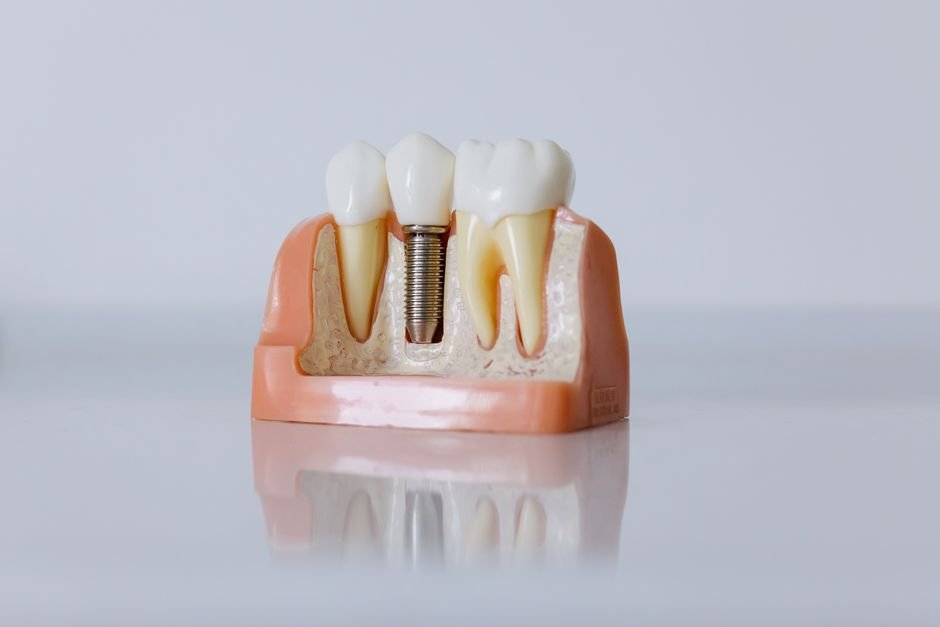
Understanding jawbone density and volume is critical when addressing All-on-4 Turkey questions. The All-on-4 technique utilizes four strategically positioned dental implants—typically two straight fixtures in the anterior region and two angled fixtures in the posterior region—to maximize the use of available bone and avoid anatomical structures like the inferior alveolar nerve.
However, not every patient possesses the baseline bone density required to support immediate loading protocols. During the preliminary assessment phase, patients should actively inquire about specific diagnostic findings:
- What specific imaging formats (such as a 3D CBCT scan) are required to evaluate my jawbone volume?
- Is there evidence of bone resorption or periodontal disease that must be treated before implant placement?
- Will bone grafting or sinus lifting be necessary, and how would that alter the proposed treatment timeline?
- How do systemic conditions, such as controlled diabetes or osteoporosis, impact my individual healing prognosis?
It is important to remember that bone quality varies significantly from person to person. If a clinic guarantees a specific surgical outcome without inspecting detailed radiological imagery, that approach warrants extreme caution.
Implant Brands and Component Transparency
A frequent oversight among international medical tourists is failing to ask precise questions regarding hardware specifications. Not all dental implants are manufactured to the same standards, and component authenticity plays a major role in long-term maintenance and structural stability.
When reviewing treatment proposals in Turkey, patients should ask for explicit details regarding the implant brands being used. Reputable manufacturers provide internationally recognized passport cards or serial numbers for each implant fixture placed. Patients should inquire:
- Which specific implant manufacturer and product line are included in the treatment estimate?
- Are the prosthetic abutments and multi-unit components manufactured by the same brand as the implants (original equipment manufacturer components)?
- What international warranties or documentation will be provided upon completion of the procedure?
- How accessible are replacement parts or maintenance services if future adjustments are required in the patient’s home country?
Transparent clinics will gladly supply this documentation. If vague descriptions such as “standard titanium implants” are used without brand verification, patients should seek further clarification.
Temporary Teeth, Healing, and Dietary Restrictions
A major selling point of the All-on-4 concept is the provision of a fixed provisional prosthesis—often referred to as temporary teeth—shortly after or even on the same day as surgery. While this immediate loading protocol offers clear aesthetic and functional benefits, it also introduces specific physiological constraints that must be understood.
The temporary bridge is designed primarily for aesthetics and light function while the underlying bone heals and integrates with the implants. Patients must recognize that biting into hard, crunchy, or chewy foods during the early osseointegration phase can place excessive stress on the newly placed fixtures, potentially leading to implant failure. Key questions to ask regarding this stage include:
- What precise dietary restrictions will be in place during the first three to six months following surgery?
- What material is used for the temporary prosthesis, and how robust is it against breakage?
- How many days must I remain in Turkey following the surgery to monitor the initial healing phase and adjust the temporary teeth?
- What happens if a temporary component fractures or loosens after I return to my home country?
Managing expectations regarding the healing timeline prevents misunderstandings about comfort levels and functional capabilities during the transitional months.
Long-Term Maintenance and Potential Complications
Dental implants are often marketed as a permanent replacement for natural teeth, but they require rigorous, lifelong maintenance to remain healthy. Neglecting oral hygiene can lead to peri-implantitis—an inflammatory condition affecting the soft and hard tissues surrounding the dental implant, analogous to periodontal disease in natural teeth.
Furthermore, mechanical complications such as screw loosening, fracture of the acrylic or porcelain veneer materials, or wear of the prosthetic components can occur years after initial placement. When researching All-on-4 Turkey questions, patients should consider how long-term care will be managed:
- How should a full-arch hybrid prosthesis be cleaned at home using specialized floss, water flossers, or interdental brushes?
- How frequently must the prosthesis be professionally removed by a clinician for deep cleaning and inspection of the underlying screws?
- What provisions or policies does the clinic have in place if a mechanical complication or implant failure occurs within the first few years?
- Will local dentists in my home country be willing and equipped to service this specific prosthetic system?
Because follow-up care across international borders presents logistical challenges, establishing a relationship with a local dentist who is familiar with full-arch rehabilitations is a vital step before traveling abroad.
Navigating Cost Estimates and Travel Logistics
Financial transparency is another crucial element of planning dental treatment in Turkey. Initial online quotes are almost always estimated ranges based on ideal clinical scenarios. Once a clinic reviews diagnostic scans, the pricing structure may shift depending on whether additional extractions, bone grafting, or specialized prosthetic materials are required.
Patients should request an itemized breakdown that separates surgical fees, laboratory costs, imaging expenses, and any potential follow-up visits. For individuals exploring various elective procedures in the country, understanding overall logistical preparation is helpful, and checking resources like Dental Veneers in Turkey: Planning Before You Travel offers additional perspective on timelines, accommodation planning, and travel organization.
It is also wise to factor in the cost of potential return trips. While many patients complete their treatment across one or two well-planned visits, unforeseen healing delays or adjustments can occasionally require extended stays or subsequent travel. Approaching the entire process with patience, skepticism toward unrealistic claims, and a commitment to thorough personal research remains the safest strategy for international patients.
Disclaimer: Before Turkey is an independent digital publishing platform providing general information. We do not offer medical diagnoses, treatment recommendations, clinical evaluations, or medical tourism intermediary services. Always consult a qualified dental professional or surgeon for personalized medical advice.