Dental Veneers in Turkey: Planning Before You Travel
On this page
Approaching dental veneers Turkey planning requires a careful balance of clinical realism, thorough research, and structured logistics. International patients frequently look to Turkish clinics for restorative or cosmetic dental procedures due to competitive pricing structures and wide availability. However, managing expectations, understanding procedural steps, and recognizing potential clinical risks are essential steps before booking flights or committing to a treatment timeline. Before Turkey operates strictly as an independent digital publishing platform, providing analytical guidance rather than medical advice, intermediary services, or clinic recommendations.
Understanding Dental Veneers Turkey Planning
Thorough dental veneers Turkey planning involves mapping out clinical requirements, financial considerations, travel timelines, and recovery protocols before departure. Every dental profile is structurally distinct, meaning that materials, preparation levels, and treatment durations can vary significantly between individuals. Prospective patients should recognize that cosmetic dentistry involves irreversible physical changes to natural tooth structure, making objective evaluation and methodical preparation crucial components of the journey.
When organizing a medical or dental journey abroad, building a structured framework helps mitigate common administrative and health-related oversights. Whether coordinating international travel arrangements or reviewing choosing a medical clinic in Turkey, informed preparation supports safer decision-making. The following sections outline the essential stages of preparing for veneers in Turkey, from initial remote consultations to long-term maintenance.
Initial Consultation and Remote Evaluation
The foundation of any overseas dental procedure begins before leaving home, typically through a remote consultation process. Clinics generally request high-resolution photographs, panoramic dental X-rays, or specialized 3D scans to evaluate bite alignment, gum health, and overall tooth structure. This preliminary phase allows dental professionals to provide estimated treatment plans, preliminary cost ranges, and material options.
However, remote evaluations have inherent limitations. A definitive clinical assessment can only occur after an in-person physical examination by the treating dentist or prosthodontist in Turkey. During this physical appointment, the clinician checks for underlying decay, periodontal disease, or structural weaknesses that digital images might not fully reveal. Patients should be prepared for potential adjustments to their treatment plan and cost estimates once the physical examination takes place.
Tooth Preparation and Irreversible Modifications
Understanding what happens to natural teeth during the procedure is a vital part of dental veneers Turkey planning. Traditional porcelain veneers generally require the removal of a thin layer of enamel—often between 0.3 to 0.7 millimeters—from the front and biting surfaces of the teeth. This reduction creates adequate space for the porcelain shell to bond securely and maintain a natural facial contour without appearing bulky.
Because enamel does not regenerate, tooth preparation is an irreversible physical modification. Once enamel is reduced, the teeth will permanently require crowns or veneers for protection and aesthetics. Some modern techniques, such as minimal-prep or no-prep veneers, may require less or no enamel reduction, but these options are not clinically suitable for every bite or alignment issue. Suitability depends strictly on individual dental anatomy, which must be evaluated by a qualified clinician.
Material Questions: Porcelain, E-Max, and Zirconia
Choosing the right material is a critical clinical and aesthetic decision that should be discussed thoroughly with the dental practitioner. The primary options utilized in Turkish clinics generally include standard porcelain, lithium disilicate (widely known as E-Max), and monolithic zirconia.
- Traditional Porcelain: Known for its exceptional aesthetic qualities and translucency, standard porcelain closely mimics the light-reflecting properties of natural enamel.
- E-Max (Lithium Disilicate): A pressed ceramic material offering high aesthetic appeal combined with improved fracture resistance compared to standard feldspathic porcelain, frequently used for anterior teeth.
- Zirconia: Renowned for exceptional strength and durability, monolithic zirconia is often recommended for patients with bruxism (teeth grinding) or for posterior restorations, though newer translucent formulations are also applied in aesthetic zones.
Each material carries specific structural advantages and limitations. The choice should be guided by clinical necessity, bite dynamics, and aesthetic goals rather than cost alone.
Treatment Timing and Travel Itineraries
Structuring the travel timeline correctly prevents unnecessary stress and clinical complications. A standard porcelain or E-Max veneer procedure typically requires a minimum stay of five to seven days in Turkey, though complex full-mouth rehabilitations may require a longer duration.
The typical timeline involves:
- Day 1: Initial physical examination, consultation, and digital or physical impressions.
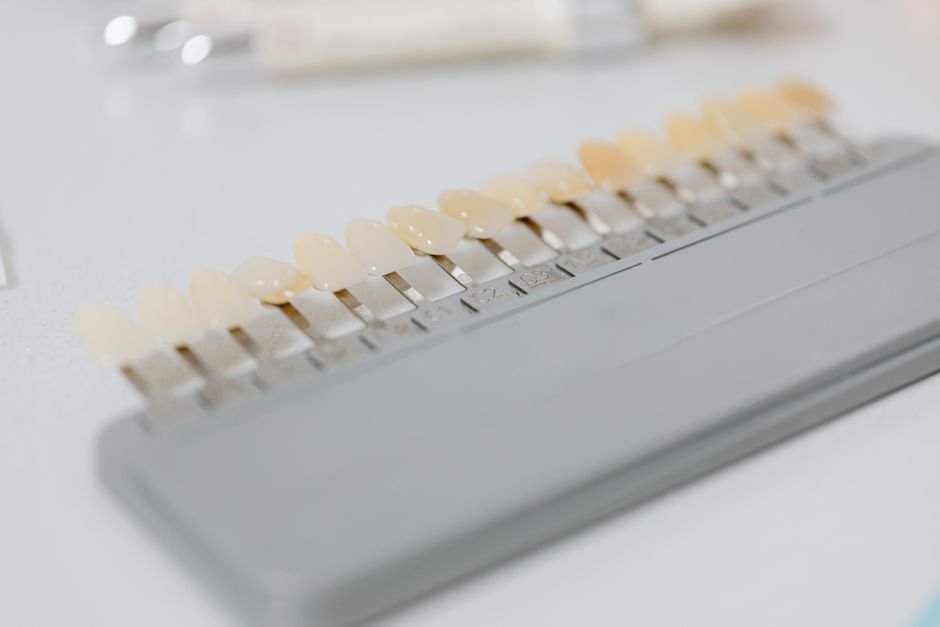
- Day 2-3: Tooth preparation, shade selection, and placement of temporary restorations while permanent veneers are fabricated in a dental laboratory.
- Day 4-5: Laboratory phase and adjustment periods.
- Day 6-7: Final fitting, bite checks, permanent cementation, and any necessary fine-tuning.
Patients should build flexibility into their flight and accommodation schedules to accommodate any required laboratory remakes or additional bite adjustments.
The Role of Temporary Restorations
During the period between tooth preparation and the placement of permanent veneers—which usually spans several days—temporary restorations are applied to protect the exposed tooth structures. Temporaries serve a dual purpose: they shield sensitive dentin from thermal stimuli and maintain basic aesthetic and phonetic functions.
However, temporary veneers are manufactured from acrylic or composite resins and are structurally fragile compared to final porcelain shells. Patients wearing temporaries must exercise dietary caution, avoiding hard, sticky, or chewy foods that could dislodge or fracture them. If a temporary restoration breaks or falls off, the patient should contact the clinic promptly for replacement to prevent sensitivity or minor shifting.
Aftercare, Maintenance, and Long-Term Follow-Up
Long-term success and clinical durability depend heavily on diligent home care and routine follow-up examinations. While porcelain veneers are resistant to staining, the underlying natural tooth structure and surrounding gum tissues remain susceptible to decay and periodontal disease.
Essential aftercare practices include:
- Brushing twice daily with a non-abrasive fluoride toothpaste to protect exposed margins and natural enamel.
- Flossing daily to prevent plaque accumulation at the gumline where the veneer meets the tooth.
- Wearing a custom night guard if the patient exhibits bruxism or clenching habits during sleep, which can fracture porcelain over time.
- Scheduling regular professional dental cleanings and checkups with a local dentist in the patient’s home country.
International patients should establish a plan for ongoing maintenance locally, as minor repairs, debonding, or adjustments cannot always be managed by returning immediately to the clinic in Turkey.
Evaluating Risks and Managing Expectations
No cosmetic or restorative dental procedure is entirely without risk. Potential complications associated with veneers include temporary or prolonged thermal sensitivity, gum irritation, marginal staining, debonding, or structural fracture. In some cases, improper bite distribution can place excessive mechanical stress on the restorations, leading to premature failure.
Patients should maintain realistic expectations regarding cosmetic outcomes. Veneers improve the appearance, color, and alignment of teeth, but they do not guarantee perfection or eliminate the need for lifelong dental maintenance. Consulting qualified healthcare professionals, verifying clinical credentials independently, and understanding all procedural steps are vital safeguards for anyone considering dental treatments abroad.
Disclaimer: This article is for informational purposes only and does not constitute medical, dental, or clinical advice. Readers should consult a qualified dental professional for personalized evaluations and treatment recommendations.